A good moving house checklist spreads the work across six weeks so nothing lands on you all at once. Start with big bookings and decluttering, then pack room by room, sort your address changes and utilities, and leave only the essentials for the final days. Work backwards from moving day and tick tasks off week by week.
Moving is one of those jobs that feels enormous until you break it into stages. Below is a simple week-by-week plan, plus the gear and small wins that make each stage easier. Grab a notebook or your phone, and let's get you sorted.
Six weeks out: plan, book and declutter
This is your planning window, so use it while the pressure is low. Decide whether you're hiring removalists or doing it yourself with a hired van, and lock in a date, because good removalists book out fast around end of month.
Now is also the time to be ruthless. Every box you don't pack is one you don't have to move, so sort each room into keep, donate and toss. A roll of heavy-duty 60L black garbage bags makes short work of the throw-away pile and doubles as soft-item packing for pillows and doonas.
Five weeks out: gather your packing supplies
Chasing boxes at the last minute is a classic moving mistake. Get ahead now by collecting sturdy cartons, packing tape, butchers paper, bubble wrap and a couple of thick markers for labelling.
Stock up on the everyday cleaning and protective bits too, since you'll want them for both the old and new place. Browse a general household supplies range for the basics, and add a box of disposable latex gloves to keep your hands clean during grubby packing and end-of-lease scrubbing.
Four weeks out: sort utilities and address changes
Admin is easy to forget and painful to fix late, so knock it over now. Book connection and disconnection dates for electricity, gas, water and internet at both addresses, aiming to have power and internet live on day one at the new place.
Then start the address-change list: Australia Post redirection, your licence and car rego, the electoral roll, Medicare, banks, super, insurance and any subscriptions. Doing a few each evening beats a frantic single session.
Three weeks out: start packing the rooms you rarely use
Begin with the low-traffic zones. Spare rooms, the garage, linen cupboards, books and out-of-season clothes can all be boxed early without disrupting daily life.
Label every carton on the side (not the top) with the room it belongs to and a note on the contents. Keep a separate pile of anything fragile so it's easy to load last and unload first, and jam soft items around it as padding.
Two weeks out: confirm the move and pack the kitchen
Ring your removalist or van hire to confirm the time, access and any parking or lift bookings for units. Start running down the freezer and pantry so you're not carting frozen food across town.
Pack most of the kitchen now, leaving out a few plates, mugs, and one pot for the final days. Wrap glassware in paper, plates on their edge like records, and mark those boxes fragile clearly on multiple sides.
One week out: pack an essentials box and clean as you go
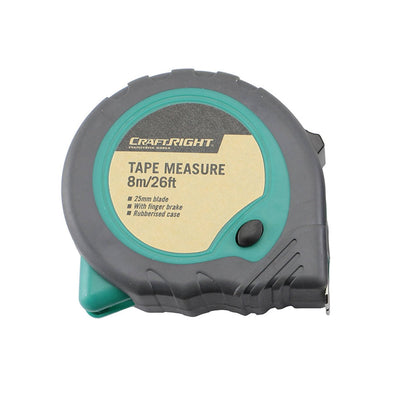
Set aside a clearly marked essentials box you'll keep with you, not on the truck. Think phone chargers, a kettle, tea and coffee, toilet paper, medications, snacks, a torch and a basic tool for reassembling beds.
As rooms empty, give them a wipe-down. If the old place has a fireplace or glass cooktop, a stainless steel wool glass cleaner makes light work of baked-on grime for the final inspection. A tidy handover protects your bond.
Moving day: load, check and hand over
Get up early and pull back curtains for light. Do a final sweep of every cupboard, the roof cavity access, the shed and the letterbox before the truck leaves.
Take meter readings and photos at both properties, then hand over keys and remotes. Once the essentials box is with you and the truck is loaded, you're officially on your way.
First week in: unpack the essentials and settle in
Set up the beds, bathroom and kitchen first so you can sleep, wash and eat without living out of boxes. Unpack the rest at a comfortable pace, one room at a time.
Have a look at a broader home range for the finishing touches that make a new place feel yours. A pair of battery-operated wall sconces add warm light beside the bed or in a hallway without needing an electrician, which is handy while you find your feet.
Quick-start tips for a smoother move
- Colour-code by room. A dot of coloured tape per room means movers can drop boxes in the right spot without asking.
- Photograph cable set-ups behind the TV and modem before you unplug, so reconnecting is a two-minute job.
- Keep valuables and documents on you. Passports, jewellery and the essentials box travel in your car, never the truck.
- Feed your helpers. Cold drinks and a pizza go a long way toward willing hands on the day.
- Update the address progressively. Tick two or three off your list each night rather than all at once.
Frequently asked questions
How far in advance should I start packing to move house?
Begin around six weeks out with decluttering and planning, then start packing rooms you rarely use from about three weeks before. Leave your everyday kitchen, bathroom and bedroom items until the final week, and keep an essentials box packed last so you can function on both moving day and the first night in your new home.
What should go in a moving day essentials box?
Pack a box you keep with you rather than on the truck. Include phone chargers, a kettle, tea, coffee and mugs, toilet paper, hand soap, medications, snacks, a torch, basic tools for reassembling beds, spare clothes and any important documents. It saves you rummaging through cartons when you arrive tired and hungry.
When should I organise utilities and change my address?
Sort utilities about four weeks before moving day. Book disconnection at the old place and connection at the new one so power and internet are live from day one. Start address changes at the same time, updating Australia Post, your licence, car rego, Medicare, banks and insurance a few each evening to avoid a last-minute scramble.
How do I make sure I get my rental bond back?
Clean thoroughly as rooms empty rather than leaving it all to the end, focusing on the oven, cooktop, bathroom and any glass surfaces. Take dated photos of every room once cleared, patch small holes, and check the original condition report so the property is returned in the same state. A tidy final inspection is the key to your bond.