Camping is one of the best ways to enjoy Australia's national parks, beaches and bush. Your first trip goes much more smoothly with a good list. This camping checklist for Australia covers shelter, sleeping, cooking, lighting and safety, with tips for first-timers and families.
Before you go
- Book your campsite. Many national park sites need advance booking, especially in school holidays.
- Check conditions. Look up weather forecasts, fire danger ratings, fire bans and park alerts.
- Check facilities. Find out whether there are toilets, showers, drinking water and fire pits.
- Do a practice run. Set up your tent in the backyard first.
- Tell someone your plans, especially if heading somewhere remote.
Shelter
- Tent with poles, pegs and guy ropes
- Groundsheet or footprint
- Mallet and spare pegs
- Tarp for extra shade or rain cover
- Gazebo or shade shelter for the day
Our tent buying guide explains sizes and types. Browse our tents, including Caribee easy-up tents.
Sleeping
- Sleeping bag suited to the expected night temperature
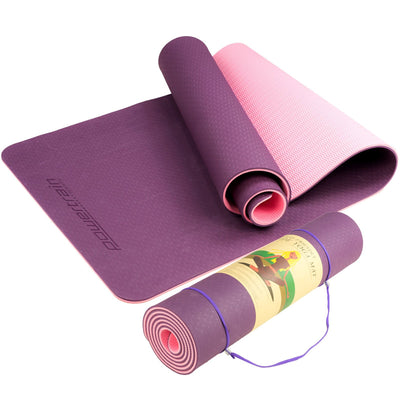
- Air mattress, self-inflating mat or stretcher
- Pump for the air mattress
- Pillow
- Extra blanket for cold nights
Nights can be surprisingly cold, even in summer, especially inland and in the mountains. Check the comfort rating on your sleeping bag.
Camp furniture
- Folding chairs
- Camp table
- Storage rack or shelf for the camp kitchen
Browse our camp furniture for folding stools, racks and inflatable loungers.
Camp kitchen
- Portable stove and fuel
- Lighter or matches
- Pots, pans and kettle
- Plates, bowls, mugs and cutlery
- Cooking utensils, sharp knife and chopping board
- Wash-up tub, biodegradable detergent and tea towel
- Rubbish and recycling bags
- Food storage containers
- Cooler and ice
Our portable cooking stoves include Gasmate stoves and fuel. Always use gas stoves outdoors in a well-ventilated area, never inside a tent.
Food and water
- Plenty of drinking water, especially if the campsite has none
- Easy meals: pasta, sausages, wraps and one-pot dishes
- Breakfast basics: cereal, bread, eggs and coffee
- Snacks: fruit, nuts and muesli bars
- Condiments, oil, salt and pepper
Keep food in sealed containers and store it away from wildlife overnight.
Keeping food cold
A good cooler keeps food safe for longer. Pre-chill it, use block ice, and keep it in the shade. See our esky and cooler buying guide, and browse our coolers from Esky and Igloo.
Lighting and power
- Lantern for the campsite
- Head torch for each person
- Torch with spare batteries
- Power bank for phones
- Solar panel or portable power station for longer trips
Browse our camping lights, including Duracell lanterns, and our torches and headlamps. Our power bank buying guide helps you choose a portable charger.
Clothing
- Layers: T-shirts, long-sleeve tops and a warm jumper or fleece
- Rain jacket
- Long pants for evenings and insect protection
- Hat, sunglasses and sunscreen
- Sturdy shoes and thongs for showers
- Swimwear
- Warm socks and a beanie for cold nights
First aid and safety
- First aid kit, including a snake bite bandage
- Personal medications
- Insect repellent
- Sunscreen
- Emergency contact numbers
- Map, as phone reception can be patchy
Our home first aid kit guide covers what to include.
Tools and extras
- Multi-tool or pocket knife
- Rope or paracord and a clothesline
- Duct tape
- Spare tent pegs
- Dustpan and brush for the tent
- Camp shovel
- Bin bags
Fun and comfort
- Cards, board games or a book
- Fishing gear, if allowed
- Bikes, balls or outdoor games
- Camera
- Marshmallows for the fire, where fires are permitted
Campsite etiquette
- Arrive and set up before dark if you can.
- Keep noise down, especially at night.
- Respect your neighbours' space.
- Only light fires in designated fire pits, and only when permitted. Fully extinguish fires with water.
- Leave no trace: take all rubbish with you.
- Don't feed wildlife.
Setting up camp
When you arrive, a simple order of jobs makes setup quicker:
- Walk the site and choose flat ground away from overhanging branches.
- Pitch the tent first, while there's plenty of light.
- Set up the camp kitchen downwind of the tent, on a stable table.
- Put the cooler in the shadiest spot.
- Hang a lantern where you'll cook and eat.
- Rig a clothesline for wet towels and swimmers.
Unpack only what you need, and keep everything else in tubs so the campsite stays tidy and dry if it rains.
Weather and wildlife
- If rain is forecast, add a tarp over the tent and kitchen, and keep gear off the ground.
- In hot weather, set up shade first and plan activities for mornings and evenings.
- Store food in sealed tubs or the car overnight so possums and birds can't get to it.
- Shake out shoes and sleeping bags before use.
Camping with kids
- Pack familiar comfort items.
- Bring extra clothes, as kids get dirty fast.
- Include outdoor games and a nature scavenger hunt.
- Set clear rules around fires, roads and water.
Setting off
Browse our full camping and hiking range for sleeping bags, lanterns and camp cookware. Every brand we stock is listed on our brands page.
Related guides: Tent Buying Guide, Esky and Cooler Buying Guide, Power Bank Buying Guide, Home First Aid Kits, Camping Solar Panels.
Frequently asked questions
What should I bring camping for the first time?
Start with a tent, sleeping bag and mat, a stove and basic cookware, a cooler, plenty of water, lights, clothing layers, first aid and insect repellent.
How do I keep food cold while camping?
Pre-chill your cooler, use block ice, keep it in the shade and open it as little as possible. Pack drinks in a separate cooler.
Can I use a gas stove inside my tent?
No. Always use gas stoves outdoors in a well-ventilated area, away from the tent.
How cold does it get camping in Australia?
It depends on location and season. Inland and mountain areas can be cold at night even in summer, so check the forecast and pack warm layers.