The essential tools for home every Australian household needs are a claw hammer, a screwdriver set, a cordless drill, a tape measure, an adjustable spanner, pliers, a utility knife, a spirit level, a torch and a few safety items. Together they handle the vast majority of repairs, assembly and hanging jobs around a typical home. Below we break the full 15 down by job.
Why build a basic home tool kit?
Most household jobs are small: a loose hinge, a flat-pack wardrobe, a picture that needs hanging. Waiting for a tradie for five-minute tasks costs time and money you don't need to spend.
A well-chosen starter kit pays for itself the first weekend you use it. You don't need a shed full of gear, just the right dozen or so items that cover the common jobs. Browse our full Tools range to fill any gaps as you go.
The core hand tools
These are the workhorses. If you only buy five things, buy these first, because almost every other job builds on them.
1. Claw hammer
A 450g (16oz) claw hammer drives nails and pulls them out again. Look for a comfortable grip and a smooth face so you don't mark timber. It's the single most-reached-for tool in any home.
2. Screwdriver set
You want both Phillips (cross-head) and flathead in a few sizes. A set with a magnetic tip makes fiddly cabinet and appliance screws far easier. Insulated handles are a bonus around powerpoints.
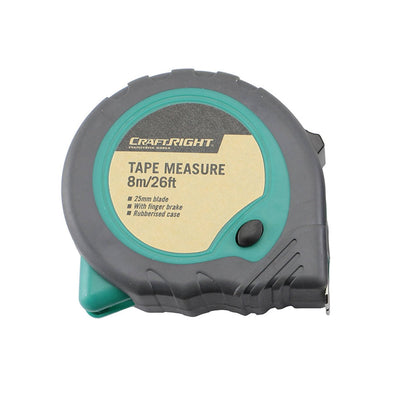
3. Tape measure
A 5m tape covers furniture, rooms and most renovation measuring. A lock button and a wide blade that stays rigid when extended are the two features worth having. Measure twice, cut once.
4. Adjustable spanner
One good adjustable spanner replaces a whole drawer of fixed sizes for tap fittings, bolts and flat-pack furniture. A 200mm size suits most home plumbing and assembly jobs.
5. Combination pliers
Pliers grip, twist, bend and cut light wire. Add a pair of long-nose pliers for tight spots and you've covered nearly every gripping task a home throws up.
The measuring and marking tools
Getting things straight and level is what separates a tidy job from an obvious DIY effort. These two earn their place fast.
6. Spirit level
A 600mm level keeps shelves, pictures and cabinets true. Nothing gives away a rushed job quite like a shelf that slopes, so check twice before you fix anything permanently.
7. Utility knife
A retractable utility knife opens boxes, trims sealant, scores plasterboard and slices carpet. Keep spare blades on hand, because a dull blade is more dangerous than a sharp one.
The power tool you'll actually use
8. Cordless drill/driver
If you buy one power tool, make it a cordless drill/driver. It drills holes and drives screws far faster than by hand, which makes flat-pack furniture and shelf-hanging almost enjoyable. An 18V model with two batteries covers nearly everything a homeowner needs.
Pair it with a mixed bit set (drill bits plus driver bits) and you're set for timber, plasterboard and most masonry with the right bit. Our wider Tools collection has drills, bits and accessories to match.
The household extras that pull their weight
These aren't tools in the strict sense, but they belong in the same cupboard because you'll grab them constantly.
9. A reliable torch
Power cuts, dark cupboards and under-the-sink jobs all call for good light. A rechargeable option like the Infinity X1 7000 lumen dual-power torch runs off USB charging or AA batteries, so it's ready whether you remembered to charge it or not.
10. Digital scales
Handy scales sort out parcel postage, hobby measuring and portioning. A precise unit such as the Emajin 40kg digital scale reads down to 1g increments on a large LCD, so it doubles for kitchen, workshop and shipping duty.
11. A long-reach lighter
For the barbecue, candles, the hot water pilot or a fire pit, a flexible lighter beats fishing around with matches. A safety-lock multipack like these flexible gas lighters means there's always one in the drawer.
The safety and clean-up gear
The jobs go smoother, and the mess goes away faster, when you've got protection and bags on hand before you start.
12. Safety glasses
Drilling, cutting and hammering send debris flying. A cheap pair of impact-rated safety glasses protects the one thing you can't replace, so keep them with the drill.
13. Work gloves
Grip, splinters and rough edges are all easier to handle with gloves on. Disposable options such as Vileda Ansell WORKmates gloves suit painting, gardening and messy repairs where you'd rather bin them afterwards.
14. Heavy-duty rubbish bags
Every project ends in offcuts and packaging. Strong 60L heavy-duty bags handle timber offcuts, renovation waste and general clean-up without splitting on you halfway to the bin.
15. Hand wash for after the job
Grease, paint and grime come with the territory. Keeping a good botanical hand wash by the laundry sink means the mess stays out of the house.
Which kit suits which household?
Not everyone needs all 15 at once. Use the table below to match a starter set to how much DIY you actually do.
| Household | Must-have tools | Skip for now |
|---|---|---|
| Renters | Hammer, screwdriver set, tape measure, torch, level | Cordless drill (unless allowed) |
| First-home owners | All core hand tools plus a cordless drill and safety gear | Specialist tools until needed |
| Keen DIYers | The full 15 plus extra drill bits and clamps | Nothing, keep building the kit |
| Budget-conscious | Hammer, screwdrivers, tape, pliers, gloves | Power tools until you have a job for them |
Many of these items sit in our Under $50 range, so you can build a genuinely useful kit without a big outlay.
Care and storage tips
A few habits keep cheap tools working like dearer ones. Wipe metal tools down after damp jobs so they don't rust, and store them somewhere dry.
Keep everything in one spot, a toolbox or a labelled drawer, so you're not hunting when something breaks. Charge cordless batteries every few months if they're sitting idle, and replace blunt blades rather than forcing them.
Buy the best you can afford for the tools you'll use weekly, like the drill and hammer, and save on the occasional-use items. That balance gives you reliability where it counts without overspending.
Frequently asked questions
What tools should every home have?
Every home should have a claw hammer, a Phillips and flathead screwdriver set, a tape measure, an adjustable spanner, pliers, a utility knife, a spirit level, a cordless drill and basic safety gear like glasses and gloves. These cover most repairs, flat-pack assembly and hanging jobs around the house.
What is the one power tool a beginner should buy first?
A cordless drill/driver is the best first power tool. It drills holes and drives screws far faster than by hand, which makes flat-pack furniture, shelving and general fixing much easier. Choose an 18V model with two batteries and a mixed drill and driver bit set to cover most household materials.
How much should I spend on a starter home tool kit?
You can build a genuinely useful starter kit for a modest outlay, with many hand tools and accessories available under $50. Spend a little more on tools you'll use weekly, such as the drill and hammer, and save on occasional-use items. Quality where it counts beats a large cheap set that wears out.
Do renters need their own tools?
Yes. Renters benefit from a hammer, screwdriver set, tape measure, spirit level and a torch for small fixes, hanging pictures and assembling furniture. A cordless drill is worth having too, though check your lease before drilling into walls, and use removable hooks where you're not permitted to fix into the structure.