The best flat pack assembly tips come down to preparation: read the whole instruction booklet first, lay out and count every part, keep the hardware sorted, and tighten fixings in stages rather than all at once. Work on a clear, protected surface with the right screwdriver or drill, and you will build stronger furniture in half the time with far less swearing.
Why does flat-pack furniture go wrong?
Most flat-pack disasters are not caused by dodgy parts. They come from rushing the setup, missing a step in the booklet, or forcing a panel the wrong way around.
Cam locks stripped, doors sitting crooked and a bag of leftover screws are almost always avoidable. Slow down at the start and the assembly itself becomes the easy part.
A quick, methodical approach also protects the furniture long-term. Panels tightened in the correct order sit square, which stops joints loosening and squeaking a few months down the track.
What you'll need before you start
Gather everything before you open the first bag of fittings. Stopping halfway to hunt for a tool is where momentum dies.
- A drill or screwdriver set from a decent range of hand and power tools so you are not turning an Allen key 300 times by hand.
- Disposable gloves such as these Vileda Ansell WORKmates latex gloves to keep fingers clean and improve grip on fiddly cam bolts.
- A few heavy-duty bags like these 60L black garbage bags for corralling foam, plastic and flattened cardboard as you go.
- A soft blanket or offcut of carpet to work on so you do not scratch panels or your floor.
- The instruction booklet, plus a phone torch for reading tiny diagrams and peering into dark cabinet corners.
Browsing the full flat-pack furniture range first also helps you match the build to your space, so you are not assembling a wardrobe that will not fit through the door.
Step-by-step: how to assemble flat-pack furniture
The order below works for almost any piece, from a bedside table to a full wardrobe. Follow it and you will rarely need to backtrack.
1. Read the whole booklet first
Flip through every page before you touch a screw. Note which panels are left and right, and how the piece is oriented in the final drawing.
Two minutes of reading saves twenty minutes of undoing a mirrored panel later.
2. Sort and count all the parts
Lay every panel out in order and tick each one off against the parts list. Then tip the hardware into small piles or muffin trays, grouped by type.
If a part is missing or damaged, you want to know now, not three steps in with the base already screwed together.
3. Protect the surface and yourself
Assemble on a blanket, rug or the flattened box, never bare tiles or timber. This stops fine scratches on both the furniture and your floor.
Pop on your gloves for grip and slide the packaging into a garbage bag so offcuts and screws do not vanish into the pile.
4. Build the frame before the fine detail
Assemble the main carcass or frame first and stand it up before adding shelves, drawers or doors. This keeps everything square from the start.
Fit dowels and cam bolts finger-tight at this stage so you can still nudge panels into perfect alignment.
5. Tighten in stages, not all at once
Once the frame is square, work around it tightening fixings gradually, a little on each in turn. This is exactly how you would tension a wheel, and it stops the piece from twisting.
Only fully tighten once you have checked the whole unit sits flat with no rocking corner.
6. Hang doors and fit drawers last
Add doors, hinges and drawer runners at the end, then adjust the hinge screws so gaps line up evenly. Most European hinges move up, down, in and out with a couple of turns.
Check drawers glide freely and doors close flush before you call it done.
7. Add lighting and finishing touches
With the build solid, style it out. Cordless options such as these rechargeable wall sconces with a remote let you light a new shelf or bedhead without any wiring.
A bright work light like the Infinity X1 rechargeable flashlight is also handy for checking joints and screw heads inside dark cabinets.
Common flat-pack mistakes to avoid
A few repeat offenders account for most botched builds. Knowing them in advance is half the battle.
- Over-tightening fixings. Chipboard threads strip easily, so stop the moment a screw is snug. A stripped cam lock means a wobbly joint for life.
- Assembling a panel the wrong way round. Watch for pre-drilled holes and finished versus unfinished faces before you commit.
- Ignoring the pilot holes. Use the holes provided rather than driving screws into fresh chipboard, which can split the panel.
- Working alone on big pieces. Wardrobes and bed frames are far easier and safer with a second pair of hands to steady tall panels.
- Skipping the back panel steps. That thin backing board is what keeps a cabinet square, so never leave it off to save time.
When should you call a professional?
Most flat-pack is well within reach of a confident DIYer, but a few jobs are worth handing over. Tall wardrobes, wall-mounted units and anything that must be anchored to studs carry a real tip-over or fixing risk.
If you are unsure how to secure a heavy unit to a plaster or brick wall safely, a handyperson can fit the right anchors in minutes. It is a small cost against a toppling wardrobe near children.
Likewise, if parts arrive damaged or holes do not line up, contact the retailer rather than forcing the build. A quick replacement panel beats a lopsided finish you will notice every day.
Frequently asked questions
What tools do I need for flat-pack furniture?
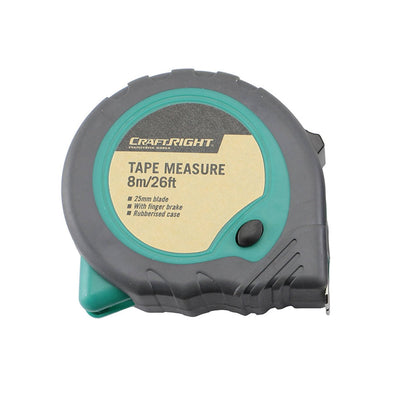
For most flat-pack you need a Phillips screwdriver, the supplied Allen key and ideally a cordless drill or screwdriver to save your wrist. A rubber mallet helps seat dowels, and a tape measure is handy for checking spacing. Working gloves and a soft blanket to protect panels round out a comfortable, efficient setup.
Why do I always have leftover screws after assembly?
Leftover screws usually mean a skipped step or spare fixings deliberately included by the manufacturer. Recheck the booklet against your finished piece, paying attention to back panels and shelf supports, which are the most commonly missed. If everything feels solid and the diagrams are all ticked off, a few genuine spares are normal and safe to keep.
Should I glue flat-pack furniture joints?
Generally no, since the cam-and-dowel system is designed to hold without glue and lets you dismantle the piece later if you move. Adding wood glue to dowels can strengthen a permanent, high-use item, but it makes future disassembly nearly impossible. For most furniture, tightening correctly and using the back panel gives plenty of rigidity.
How do I stop flat-pack furniture from wobbling?
A wobble almost always comes from a piece not sitting square or fixings tightened out of order. Loosen everything slightly, stand the unit on a flat floor, make sure the back panel is fitted, then retighten gradually in stages. Check each corner touches the ground, and use furniture pads or a small wedge to level it on uneven floors.