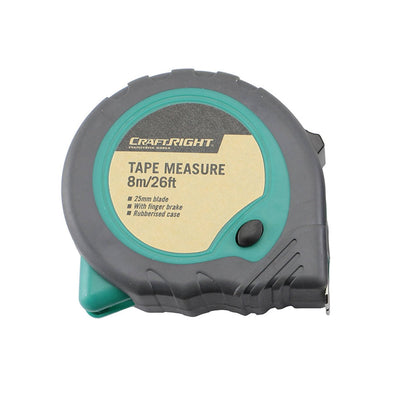
The best garage storage ideas free up the floor by using your walls, ceiling and the backs of doors, so there's room for the car and your projects. Go vertical with shelving and pegboards, hang bulky gear on hooks, sort small hardware into labelled bins, and split the space into zones by task.
Here are 15 practical ways to double your usable garage space, whether you're starting from scratch or reining in a space that's gotten out of hand.
1. Go vertical with wall-mounted shelving
Empty wall space is the most underused storage in most garages, so fixing sturdy shelving brackets up high gets boxes, paint tins and bulky items off the floor and out from underfoot. Keep the lower shelves for what you reach for often and the top shelves for seasonal or rarely-used gear. Always fix into studs or use proper masonry anchors in brick and concrete so the shelves carry real weight without pulling loose.
2. Put your tools on a pegboard
A pegboard turns a bare wall into a flexible tool wall you can rearrange in seconds, so hang your most-used hand tools where you can see and grab them. Trace an outline behind each one and everything goes straight back in its place, while a few cups hold bits, tape and markers. It's an easy weekend job you can kit out with gear from our Tools & Hardware range.
3. Add overhead ceiling racks
The space above your head is perfect for things you only need now and then, like empty suitcases, camping gear, spare timber and seasonal decorations. Ceiling-mounted racks or a simple platform built between the rafters keep it all up and well out of the way. Keep heavy loads close to the joists and firmly secured, and never hang anything so low that it blocks the garage door or your head.
4. Use the walls beside and behind doors
The strip of wall beside and behind an open door is easy to overlook but ideal for narrow storage. Slim shelves, hooks or a magnetic strip here hold brooms, spray cans and long-handled tools without eating into the main space. Just check the door's swing so nothing gets knocked as it opens and closes.
5. Hang a rail for aprons, overalls and hi-vis
A short length of rail is a tidy way to hang work clothes, aprons and hi-vis so they air out and stay off the bench. Mount it on solid supports such as the Sandleford chrome oval centre pillar and you have a hard-wearing spot for coveralls and gear bags. Position it near the door so you can grab your kit on the way out.
6. Label clear bins and stack them high
Loose clutter disappears the moment it goes into clear, stackable tubs, because you can see the contents at a glance instead of tipping out three boxes to find one thing. Stack the heaviest tubs on the bottom and the lightest on top, and stand them on shelves rather than straight onto concrete that can get damp. Group similar items together so a whole category lives in one place and stays that way.
7. Fit magnetic strips for metal tools
A magnetic strip keeps spanners, chisels, pliers and drill bits visible and instantly to hand. Mount one above the workbench and another by the door for keys and small metal odds and ends. It costs little, takes minutes to fit, and stops small tools vanishing into a drawer you have to dig through.
8. Sort and count small fasteners
Screws, nuts and washers multiply fast, so a divided organiser or a wall of small jars keeps them sorted by size and type. When you're restocking or splitting a bulk pack, a digital counting scale lets you weigh and tally a handful in one go. Keep the container you reach for most at eye level, and label every lid clearly.
9. Build a roll-away workbench on castors
A workbench on wheels lets you pull the job out into the light, then push it back flat against the wall when you're done. Fit lockable castors so it stays put while you work, and stand the legs in something like the Surface Gard non-slip castor cups to protect the floor and stop it drifting. Add a shelf underneath for offcuts and a shallow tray on top for the tools you reach for most.
10. Claim the corners with corner shelving
Corners are awkward to fill with straight shelves, so a dedicated corner unit or angled brackets turn dead space into real storage. They suit tins, bottles and boxes that would otherwise crowd your bench. Two walls of support also make corner shelves naturally sturdy for heavier loads.
11. Store gas, fuel and flammables safely
Anything flammable needs a cool, ventilated spot, standing upright and well away from heat, sparks and direct sun. If you keep camping gas or butane like the Gasmate 220g cartridges, store them in their sealed packaging and out of children's reach. Keep only small quantities on hand, and never stack fuels near a hot water system, heater or power point.
12. Cover and protect seasonal or overflow gear
Not everything fits inside, so bulky seasonal items and outdoor overflow can be stacked neatly and covered to keep the weather off. Throwing a heavy-duty tarp over a stack of furniture, a trailer load or garden gear protects it until you need it again. Tuck the edges under or tie them down so it stays put in a gust.
13. Hang bikes, ladders and long items on wall hooks
Bikes and ladders swallow floor space when they lean against a wall, but a couple of strong wall hooks lift them clear. Hang bikes by the frame or a wheel, and store ladders horizontally on two brackets so the weight is spread evenly. Grab a selection of hooks, brackets and other hardware accessories and you can hang almost anything long or bulky.
14. Repurpose old kitchen cabinets
Old kitchen units are perfect for a garage, giving you enclosed storage that hides clutter and keeps dust off. Wall cabinets bolt up for tools and tins, while a base unit with a sheet of ply on top becomes an instant workbench. It's a cheap, sturdy way to add drawers and doors without buying purpose-built cabinetry.
15. Zone the garage by task
The tidiest garages have a place for everything because the whole space is split into zones. Set up a workshop corner, a garden and outdoor zone, a sports and camping area and a car-care spot, each with its own shelves, bins and hooks. Keeping like with like means you always know where things live, so finding a tool and packing up after a job both get quicker.
Quick-start tips for a tidier garage
You don't have to do it all at once, and trying to can feel overwhelming. Start with the walls and ceiling to bank some easy wins, then work down to benches and floor storage as time and budget allow.
- Clear out first: pull everything out, bin the broken, and only put back what you actually use.
- Measure before you buy: note your ceiling height and door swing so racks and shelves genuinely fit.
- Fix into something solid: use studs or masonry anchors and respect the load rating on every bracket and hook.
- Keep the floor clear: if it can go on a wall or hang up, get it off the ground.
- Label as you go: a labelled bin you can find beats a mystery box every time.
Tackle one zone each weekend and the whole garage comes together faster than you would think, leaving you a space that works as hard as you do.
Frequently asked questions
How do I get more storage out of a small garage?
Use the vertical and overhead space you're ignoring. Wall shelves, pegboards and ceiling racks free up the floor, while hooks handle bikes and ladders. Sort loose items into labelled bins and stack them high on shelving. Zoning the garage by task keeps everything findable without needing a bigger footprint.
What's the best way to store tools in a garage?
Keep hand tools visible and within reach on a wall-mounted pegboard or a magnetic strip, so you can grab and return them in seconds. Store power tools in their cases or on sturdy shelves off the floor. Group tools by the job they do, and keep a small parts organiser nearby for screws and bits.
How much weight can garage shelving and hooks hold?
It depends entirely on the product, the fixings and what you mount into. Always check the load rating on the shelf or hook, and fix into studs or use suitable masonry anchors for brick and concrete. Spread heavy items across multiple brackets, and never overload a single hook or bracket.
Is it safe to store petrol, gas and chemicals in the garage?
Store fuels, gas cylinders and chemicals in a cool, well-ventilated spot, standing upright, away from heat, sparks and direct sun. Keep them in their original, sealed containers and out of reach of children. Only keep small quantities on hand, and never store them near a hot water system or electrical gear.