If you've noticed white, chalky flakes in your kettle or your cuppa tastes a bit off, it's probably limescale. Scale builds up from minerals in the water and can make your kettle slower and noisier. This guide explains how to descale a kettle and look after other small kitchen appliances.
What is limescale?
Limescale is mostly calcium carbonate left behind when hard water is heated. Areas with harder water build up scale faster. It's not usually harmful, but it can:
- Make kettles slower to boil and noisier.
- Leave flakes in drinks.
- Affect the taste of tea and coffee.
- Shorten the life of heating elements.
How often should you descale?
| Water type | Suggested frequency |
|---|---|
| Soft water | Around every few months |
| Moderate | Around every month or two |
| Hard water | Around every few weeks |
Check the inside of your kettle. If you see a white or grey coating, it's time to descale. Always follow your appliance's manual.
Method 1: White vinegar
- Fill the kettle about halfway with equal parts white vinegar and water.
- Bring to the boil, then switch off.
- Leave to soak for around an hour.
- Pour out the solution and scrub any remaining scale gently with a soft brush.
- Rinse well, then boil fresh water once or twice and discard it to remove any vinegar taste.
Method 2: Citric acid
- Dissolve a tablespoon or two of citric acid in about half a kettle of water.
- Boil, then leave to stand for around 15 to 30 minutes.
- Empty, rinse and boil fresh water once before use.
Citric acid has less smell than vinegar. Lemon juice can also work for light scale.
Method 3: Commercial descaler
Descalers made for kettles and coffee machines are convenient and measured for the job. Follow the packet instructions exactly, and rinse thoroughly.
Signs your kettle needs descaling
- A chalky white or grey coating on the base or element.
- Flakes floating in your tea or coffee.
- The kettle takes longer to boil or sounds louder.
- A film on the surface of hot drinks.
Things to avoid
- Don't use abrasive scourers on the inside of the kettle.
- Don't immerse electric kettles or their bases in water.
- Unplug the kettle before cleaning, and keep the base and plug dry.
- Don't mix cleaning products.
- Check the manual for glass and specialty kettles.
Cleaning the outside of your kettle
- Stainless steel: Wipe with a damp cloth and dry, polishing with the grain.
- Plastic: Wipe with mild soapy water.
- Glass: Use a soft cloth; descale often, as scale is more visible.
- Filter: Remove and rinse or soak the mesh filter in the spout, if your kettle has one.
Descaling a coffee machine
Coffee machines also build up scale, which can affect taste, temperature and pressure.
- Check your manual, as many machines have a descale cycle or indicator.
- Use a descaler recommended for your machine.
- Run the cycle, then flush with fresh water.
- Clean the drip tray, portafilter and steam wand regularly.
See our coffee machine buying guide for more on machine care.
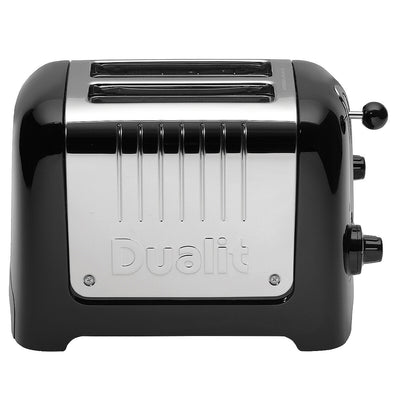
Cleaning a toaster
- Unplug and cool the toaster completely.
- Empty the crumb tray and wash it if removable.
- Turn the toaster upside down over the sink and gently shake out crumbs.
- Wipe the outside with a damp cloth.
- Never put metal objects inside the slots.
Caring for other small appliances
- Sandwich presses: Unplug, let cool slightly, then wipe the plates with a damp cloth or paper towel. Avoid metal utensils on non-stick plates.
- Microwaves: Heat a bowl of water with a slice of lemon for a few minutes, then wipe the steam-softened splatters.
- Blenders: Fill partway with warm water and a drop of detergent, blend briefly, then rinse.
- Irons with steam: Some can be descaled; follow the manual, as methods vary.
Reducing limescale
- Empty the kettle after each use rather than leaving water standing.
- Boil only what you need.
- Use filtered water if your area has hard water. See our water filter guide.
- Descale regularly so scale doesn't build up.
Kettles, toasters and accessories to compare
Our kettles range includes Hillmark coffee machine and kettle descaler, plus kettles from Mistral, Pronti, Dualit and Sunbeam. Our electric kettles range includes Smeg, Bugatti, Cuckoo and Westinghouse options. Our toasters range includes Dualit, KitchenAid, Mistral, Pronti and Smeg toasters, and our coffee machine accessories range includes Bonzachef grinders, knock boxes, pour-over drippers and CARLA HOME pod holders. Every brand we stock is listed on our brands page.
When to replace a kettle
Consider replacing your kettle if:
- The cord, plug or base is damaged.
- It leaks.
- It doesn't switch off automatically.
- Scale won't shift after descaling.
Our kettle and toaster guide explains what to look for in a new one.
Related guides: Kettles and Toasters, Coffee Machine Buying Guide, Water Filter Guide.
Frequently asked questions
Is it safe to descale a kettle with vinegar?
Yes, a vinegar and water solution is a common method. Rinse well and boil fresh water once or twice afterwards to remove any taste.
How often should I descale my kettle?
It depends on your water. In hard water areas, every few weeks; in soft water areas, every few months. Check the inside for scale.
Can I use lemon juice instead of vinegar?
Yes, lemon juice or citric acid works for light scale and has a milder smell.
Is limescale harmful?
It's not usually harmful to drink, but it can affect taste and make your kettle work harder.