To fix a leaking tap, turn off the water supply, open the tap to drain it, then dismantle the head to reach the worn part. For older washer taps you replace the rubber washer and O-ring; for modern mixer taps you swap the ceramic cartridge. Reassemble, turn the water back on, and the drip should stop.
Why is my tap leaking?
A steady drip almost always means a worn internal part rather than a broken tap. The water is finding its way past a seal that used to hold tight.
On traditional taps with separate hot and cold handles, the culprit is usually a perished rubber washer or O-ring. On single-lever mixer taps, it's typically a worn ceramic cartridge.
Knowing your tap type decides the fix. If the handle turns several times before the water stops, it's a washer tap. If it moves a quarter-turn or lifts and swivels, it's a cartridge tap.
What you'll need
Fixing a tap is a small job, but the right gear makes it far quicker. Gather everything before you start so you're not hunting for tools with the water off.
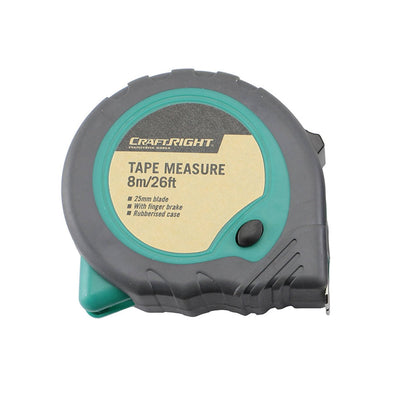
- Adjustable spanner or a set of quality hand tools including a shifter and pliers
- Flat and Phillips screwdrivers
- Replacement washers, O-rings or a matching ceramic cartridge from a plumbing parts range
- Plumber's grease and thread tape
- A clean rag and a torch such as the Infinity X1 rechargeable flashlight to see inside the tap body
Lay the parts out in order as you remove them. That way reassembly is just working backwards.
Turn off the water first
Never open a tap without isolating the supply. Look under the sink for individual isolation valves and turn them clockwise until they stop.
If there are no local valves, shut off the main water at the meter out the front. Then open the tap fully to release pressure and drain the pipe.
Plug the basin or lay the rag over the drain hole. Small screws and springs love to disappear down an open plughole.
How to fix a leaking washer tap
Washer taps are the older style with a rubber washer that presses against a seat to stop the flow. When that rubber hardens or splits, water seeps through and drips.
Step 1: Remove the tap handle
Prise off the hot or cold button on top with a flat screwdriver to reveal the retaining screw. Undo the screw and lift the handle clear.
If the handle is stuck, wiggle it gently rather than forcing it. A gentle upward pull usually frees it.
Step 2: Undo the bonnet and spindle
Use your spanner to loosen the large bonnet nut, then unscrew the spindle (the brass body) by hand. This exposes the washer at the base.
Hold the tap body steady so you don't twist the whole assembly in the wall or benchtop.
Step 3: Replace the washer and O-ring
Undo the small screw holding the old washer and fit a new one of the same size. While you're there, roll off the O-ring on the spindle and replace it too.
Smear a little plumber's grease on the new O-ring. This helps it seat and keeps the tap turning smoothly.
Step 4: Reassemble and test
Wind the spindle back in, tighten the bonnet nut, refit the handle and button. Turn the water back on slowly and check for drips at the spout and around the base.
How to fix a leaking cartridge or mixer tap
Single-lever mixer taps use a ceramic cartridge instead of a washer. When it wears, the tap drips or becomes stiff to operate.
Step 1: Access the cartridge
Pop off the small cap on the lever to find the grub screw, loosen it and lift the lever away. Underneath sits a retaining nut or dome that unscrews to reveal the cartridge.
Take a photo on your phone before you pull anything apart. It's a handy reference when it's time to put it back together.
Step 2: Remove and match the cartridge
Lift the old cartridge straight out. Take it to the store to match the size and brand exactly, as cartridges are not universal.
Note which way the alignment lugs face. The new one must drop in the same orientation or the hot and cold will be reversed.
Step 3: Fit the new cartridge
Seat the replacement, tighten the retaining nut firmly but not brutally, then refit the lever and cap. Restore the water and run the tap hot and cold to check the leak has gone.
Common mistakes to avoid
Most tap repairs go wrong for the same handful of reasons. Sidestep these and you'll get a clean, drip-free result the first time.
- Overtightening the bonnet nut or handle, which cracks ceramics and crushes seals
- Fitting the wrong-size washer or cartridge because it looked close enough
- Forgetting to replace the O-ring, so the tap still weeps around the base
- Leaving grit on the seat, which stops a new washer sealing properly
- Skipping plumber's grease, leaving the tap stiff and prone to fast wear
If a tap still drips after a new washer, the brass seat itself may be pitted and need re-seating with a special tool.
Does fixing a tap improve your water?
A repaired tap saves litres a day, but it won't change how your water tastes or looks. If you notice sediment or a strong taste, that's a filtration issue, not a tap fault.
An on-tap unit like the BRITA On Tap Pro V-MF filter refill reduces chlorine taste at the spout. For jug and cooler systems, an Aquaport replacement filter cartridge keeps drinking water clean between tap repairs.
When to call a plumber
Some jobs are beyond a quick washer swap. Call a licensed plumber if you find corroded pipework, a leak inside the wall, or water pooling in the cabinet.
Also call one if you can't isolate the water, the thread is stripped, or the leak returns after a proper repair. In many states, work behind the wall must be done by a licensed tradesperson.
For a straightforward drip, though, a new washer or cartridge is a genuine weekend fix. Grab the parts, take your time, and enjoy the silence of a tap that finally stays off.
Frequently asked questions
How much water does a dripping tap waste?
A single dripping tap can waste well over 20,000 litres a year, depending on how fast the drip is. That adds up on your water bill and is completely avoidable. A new washer or cartridge usually costs only a few dollars, so the repair pays for itself quickly and stops the constant noise.
How do I know if my tap needs a washer or a cartridge?
Check how the handle moves. If you turn it several full rotations to shut the water off, it's a washer tap. If it's a single lever that lifts and swivels, or a handle that only turns a quarter-turn, it uses a ceramic cartridge. Matching the correct part is the key to a lasting fix.
Can I fix a leaking tap without turning off the mains?
Only if your tap has its own isolation valves under the sink, which you can close to work on just that tap. If there are no isolation valves, you must shut off the water at the mains meter. Never dismantle a tap under pressure, as water will spray out the moment you loosen the body.
Why does my tap still drip after replacing the washer?
Usually the brass seat the washer presses against is worn, pitted or has grit on it, so the new washer can't seal. You can clean the seat or use a tap re-seating tool to grind it smooth. If it still leaks, the spindle thread or tap body may be worn and need replacing.