To hang heavy items on wall surfaces safely, first identify the wall type, then choose a fixing rated above the item's weight. Screw into a timber stud where you can; on plasterboard use toggle or metal anchors, and on brick use masonry plugs. Match the anchor to the wall and you get a fixing that holds for years.
A dropped mirror or shelf is more than a broken object; it can damage floors and injure someone. The good news is that hanging heavy things well is straightforward once you know your wall and use the correct anchor. This guide walks through both.
What you'll need
Gather your gear before you start so you are not stopping halfway. Most heavy-hanging jobs need the same basic kit.
- A stud finder, or a nail and knuckle to locate studs
- A drill and the correct drill bit for your wall
- Wall anchors rated for the weight (toggles, metal anchors or masonry plugs)
- Screws or bolts, plus a bubble level and pencil
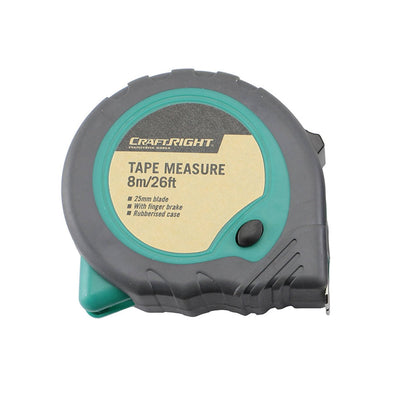
- A tape measure for spacing and height
Anchors, screws and plugs to suit every wall live in our hardware fasteners range, so you can buy exactly what your surface calls for. For solid, corrosion-proof through-fixing, the Zenith M5 x 32mm 316 stainless steel countersunk bolt and nut set pairs well with metal anchors for heavier mounts.
How do you work out what your wall is made of?
Knock on it. A hollow, drum-like sound usually means plasterboard (Gyprock) over a timber or steel frame. A solid, dull sound points to brick, block or rendered masonry. Older Aussie homes may have lath and plaster, which is more fragile and needs care.
Knowing the wall type is the single most important step, because it decides which anchor will actually hold. Get this wrong and even the strongest screw will pull straight out.
How do you hang heavy items on plasterboard?
Plasterboard alone cannot carry much weight, so your strategy is to fix into the timber studs behind it wherever possible. Studs are the strong vertical timbers your load should hang from.
Find and use the studs
Use a stud finder to locate the studs, usually spaced around 450mm or 600mm apart. Mark their centres, then drive your screws directly into the timber. A fixing into a stud is the strongest option on any framed wall and should be your first choice for shelves and large mirrors.
When you can't hit a stud
If no stud sits where you need it, use a plasterboard anchor rated for the load. Spring toggles and metal (butterfly) anchors spread the weight behind the sheet and hold far more than plastic push-in plugs. Always check the weight rating printed on the pack and stay well under it.
How do you hang heavy items on brick or masonry?
Brick and block are strong, but you must drill correctly. Use a masonry drill bit and, ideally, a hammer drill to bore into the brick itself rather than the softer mortar joint, which holds less securely.
Insert a masonry plug, then drive a screw so it expands the plug tight against the hole. For very heavy loads, sleeve or dynabolt-style anchors give the most holding power. Wear eye protection and drill slowly to avoid cracking older, softer bricks.
How do you know if a fixing is strong enough?
Match the anchor's rated capacity to the item's weight, then add a safety margin. As a guide, choose fixings that together handle at least double what you are hanging, so nothing is working at its limit.
- Under 5kg: a single quality anchor or a stud screw is usually plenty.
- 5 to 20kg: use two or more fixings, ideally into studs or with rated toggles.
- Over 20kg: fix into studs or masonry with heavy-duty anchors and spread the load across several points.
Distribute weight across multiple fixings for shelves and cabinets rather than relying on one. Two anchors sharing a load are dramatically stronger and more stable than one.
Getting it level and neatly spaced
Measure your height, hold the item to the wall and mark the fixing points with a pencil. Use a bubble level to keep everything straight, since a heavy mirror even slightly off looks obvious and can shift over time.
For a gallery arrangement, lay pieces out on the floor first to plan spacing before you drill. This works beautifully with framed prints and canvases from our art and wall decor range, letting you settle the layout before committing to holes.
A note on lightweight tacking jobs
Not everything on your walls is heavy. For pinning up fabric backing, hessian, felt or lightweight display material to a timber batten or feature wall, a staple gun is quick and tidy. Wide crown staples spread their grip and sit flatter than a screw head.
The PowerFit 10mm wide crown staples suit thin backing materials, while the deeper-biting PowerFit 16mm wide crown staples hold thicker fabric and underlay. Keep them for the light jobs and save your anchors for the weight.
Common mistakes to avoid
- Relying on plasterboard alone without a stud or rated anchor.
- Drilling into mortar instead of solid brick, which holds far less.
- Ignoring the weight rating printed on the anchor packaging.
- Using one fixing where two or more would share the load safely.
- Skipping the level and ending up with a crooked, stressed mount.
When to call a professional
Hang most items yourself, but bring in a pro for very heavy loads over about 40kg, wall-mounted cabinetry, or anything on fragile lath-and-plaster or double-brick where a mistake is costly. Always check for hidden wiring or plumbing before drilling; if you are unsure what is behind the wall, an electrician or handyman can confirm it safely.
Get the wall type and anchor right and you can hang almost anything with confidence. Stock a few rated anchors and a corrosion-proof option like the Zenith stainless bolt set, keep your level handy, and your mirrors, shelves and art will stay exactly where you put them.
Frequently asked questions
How much weight can plasterboard hold without a stud?
On its own, plasterboard holds very little safely, often only a few kilograms with a basic plug. To hang heavier items, fix into a timber stud behind the sheet, or use a rated spring toggle or metal butterfly anchor that spreads the load behind the board. Always stay under the weight rating printed on the anchor pack.
How do I find a stud in the wall?
Use an electronic stud finder run slowly across the wall until it signals the timber edge, then mark the centre. Studs are typically spaced 450mm or 600mm apart, so you can measure across once you find one. No stud finder? Tap along the wall; a solid, less hollow sound often marks a stud.
Should I drill into the brick or the mortar?
Drill into the solid brick, not the mortar joint. Brick holds an anchor far more securely, while mortar is softer and can crumble under load. Use a masonry bit and a hammer drill, insert a plug or sleeve anchor, and drive the screw so it expands tight. Drill slowly on older, softer bricks to avoid cracking.
What anchor is best for hanging a heavy mirror?
For a heavy mirror, fixing into timber studs is best. Where you cannot hit a stud on plasterboard, use spring toggles or metal butterfly anchors rated well above the mirror's weight, and use at least two fixings to share the load. On brick, use masonry plugs or sleeve anchors and always keep the mirror level.