The secret to how to hang wall art is height: centre each piece so its middle sits about 145–150cm from the floor, the standard gallery eye level. Plan the layout on paper first, mark fixing points with a spirit level, then match the fixing to the frame's weight and wall type. That is the whole trick to a deliberate result.
Most crooked, too-high or randomly spaced arrangements come down to skipping the planning stage. Spend ten minutes measuring and dry-laying the layout and the actual drilling takes only a few minutes. Below is the method we use for single frames, pairs and full gallery walls.
What you'll need
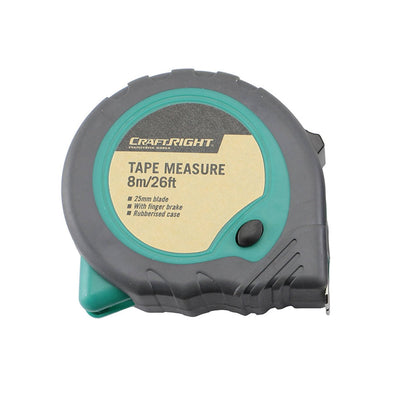
Gather your kit before you touch the wall so you're not stopping halfway through. A tape measure, pencil, spirit level (or a level app) and a stud finder cover the measuring side.
- Fixings to suit the weight — picture hooks for light frames, wall plugs and screws for anything heavier, and toggle or expanding anchors for plasterboard.
- A drill and bits sized to your plugs, plus a screwdriver.
- Paper templates — cut butcher's paper or newspaper to each frame's size.
- Painter's tape to hold templates and mark positions without marking the paint.
For heavier framed pieces or mirrors fixed into timber studs, a proper machined bolt gives far more holding power than a flimsy hook. A stainless option like the Zenith M5 stainless steel countersunk bolt and nut resists rust in humid rooms such as bathrooms and coastal homes. You'll find a wider selection of plugs, screws and anchors across our hardware fasteners range to match whatever your wall is made of.
What height should you hang wall art?
The gallery standard is to position the centre of the artwork about 145–150cm from the floor. This lands the visual middle at average eye level, so a piece reads comfortably whether you're standing or seated nearby.
There's one big exception. When art hangs above furniture — a sofa, console, bedhead or sideboard — relate it to the furniture instead of the room.
Hanging above furniture
Leave roughly 15–25cm between the top of the furniture and the bottom of the frame. Any higher and the art floats off on its own; any lower and it feels cramped. Aim for the artwork to span about two-thirds of the furniture's width so the pairing looks intentional.
Working out the mark
To find where the hook goes, measure from the top of the frame down to the taut hanging wire or bracket. Subtract that figure from your target centre height, then add half the frame's height. That gives the exact spot on the wall for the hook, not just where the frame's centre will sit.
How do you plan a gallery wall layout?
Never hang a multi-piece arrangement straight onto the wall by eye. Lay every frame out on the floor first and shuffle them until the composition feels balanced.
Keep a consistent gap between frames — around 5–8cm works for most collections. Tight, even spacing reads as one considered display; wide or uneven gaps look accidental.
- Grid layout — equal-sized frames in neat rows and columns for a calm, formal look.
- Salon style — mixed sizes clustered around a central anchor piece, filling the space organically.
- Single line — frames aligned along a shared centre line, ideal for hallways and up staircases.
Once you're happy, trace each frame onto paper, cut the templates out and tape them to the wall. Step back and adjust the paper before a single hole is drilled — this is where a whole gallery wall is won or lost. Browse our art and wall decor collection if you're still building out the set.
How do you fix art to different walls?
The wall behind the plaster decides your fixing. Guessing here is how frames end up on the floor, so run a stud finder across the area first and mark any timber studs.
Into a stud: a screw driven straight into timber holds serious weight — the best option for large frames and mirrors. Into plasterboard alone: never rely on a bare screw; use a plasterboard anchor, toggle bolt or a proper hook rated for the weight. Into brick or masonry: drill with a masonry bit and use a matched wall plug.
Securing lightweight backing
For DIY frames, stretched canvas or fabric-backed pieces, a staple gun makes light work of fixing loose backing, hanging cord anchor points or timber battens. The PowerFit 10mm wide crown staples suit thinner materials, while the longer PowerFit 16mm wide crown staples bite deeper into timber battens and cleats for a firmer hold. The electro-galvanised finish on both resists surface rust indoors.
How do you match the fixing to the frame's weight?
The commonest cause of a fallen frame is a fixing rated below the load. Weigh the framed piece on the bathroom scales first, then choose a fixing with headroom above that figure — not one that just scrapes in.
As a rough guide, group your art into three weight bands and fix accordingly. When two hooks share the load, spread them evenly across the frame's width for balance.
- Light (under 5kg) — prints, small framed photos and light canvases. A single rated picture hook or an adhesive hook on smooth plaster is usually enough.
- Medium (5–15kg) — larger framed pieces and small mirrors. Use two fixings and screw into a stud or a plasterboard anchor rated for the weight.
- Heavy (over 15kg) — big mirrors and oversized frames. Fix into timber studs with screws or bolts, using a bracket or cleat across two points.
A timber cleat — a bevelled batten split between wall and frame — is the gold standard for heavy pieces. It spreads the load across a wide span and lets you nudge the frame level along the rail after it's up.
How do you get the proportions right?
Even perfectly level art can look off if it's the wrong scale for the wall. A piece that's too small for a big empty wall looks lost; one crammed into a tight nook feels heavy.
Aim to fill roughly two-thirds to three-quarters of the available wall or furniture width with your art or arrangement. For a gallery wall, treat the whole cluster as one shape and apply the same ratio to the group's outer edges rather than any single frame.
Common mistakes to avoid
A few repeat offenders undo otherwise good work. Watch for these before you commit to the drill.
- Hanging too high — the single most common error. Trust the 145–150cm centre rule over your instinct, which usually reads high.
- Ignoring the wire sag — always measure to the wire pulled taut, or the frame will finish lower than planned.
- Under-rating the fixing — a hook that's fine for a print will pull straight out under a heavy timber frame or mirror.
- Skipping the level — eyeballing "straight" almost never is. Check every frame with a spirit level.
- Uneven spacing — inconsistent gaps in a gallery wall look like an accident, not a design choice.
When should you call a professional?
Most wall art is a confident DIY job. That said, it's worth getting a hand for a few situations.
Very heavy or valuable pieces, large mirrors, or anything spanning a wide area may need multiple fixings and precise stud placement. If you're drilling into tiled walls, rendered masonry, or you suspect wiring or pipes behind the plaster, a professional will locate hazards and fix into the right points safely. When in doubt with a heavy or awkward install, a second opinion beats a repair bill.
Frequently asked questions
How high should you hang a picture from the floor?
Hang the centre of the picture about 145 to 150cm from the floor, which sits it at average eye level. The exception is art above furniture: there, leave roughly 15 to 25cm between the top of the sofa or console and the bottom of the frame instead of measuring from the floor.
How do you hang heavy frames on plasterboard?
Never trust a bare screw in plasterboard for a heavy frame. Find a timber stud with a stud finder and screw or bolt into that, or use a plasterboard anchor or toggle bolt rated above the frame's weight. For very heavy mirrors, spread the load across two fixings or a timber cleat.
What spacing should you leave between frames in a gallery wall?
Keep a consistent gap of about 5 to 8cm between every frame. Even, tight spacing makes the arrangement read as one deliberate display, while wide or uneven gaps look accidental. Lay the frames out on the floor first and trace paper templates onto the wall before drilling.
How do you hang art straight without a laser level?
Mark your fixing point, then use a spirit level or a phone level app across the top of the frame once it is up. Measure to the hanging wire pulled taut, not slack, so the frame finishes at the height you planned. Adjust the hook slightly rather than re-drilling if it sits a touch off.