The cheapest way to keep your house warm in winter is to stop the heat you're already paying for from escaping. Sealing draughts, closing off unused rooms, layering soft furnishings and using the sun through the day cost little or nothing, yet make a real difference to comfort and your power bill. Here are twelve practical fixes.
Most Australian homes leak heat around doors, windows and floors, so your heater works overtime for very little reward. Tackle the gaps first, then trap and add warmth. Work through the list below and you'll feel the difference well before the next bill lands.
Seal the draughts first
Draughts are the number one heat thief in older Aussie homes. Cold air sneaking under doors and around window frames forces your heater to run harder than it should.
- Fit a door snake or draught excluder along the bottom of external doors — a rolled towel works in a pinch.
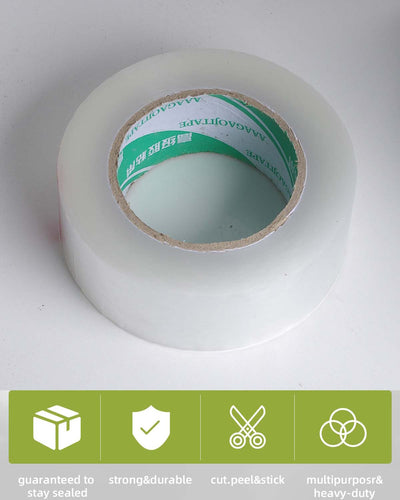
- Run adhesive foam or rubber seals around window and door frames where you feel a breeze.
- Block unused chimneys with a chimney balloon or a firmly packed cushion.
- Cover keyholes, pet flaps and mail slots on the coldest nights.
These are cheap fixes from any hardware aisle and take an afternoon to install across a whole house.
Make the most of free sun
Sunlight is the cheapest heater you own. Open curtains and blinds on north-facing windows through the day to let winter sun warm your floors and walls for free.
Then close everything the moment the sun drops. Trapping that stored warmth inside before the evening chill sets in can hold a room several degrees warmer for hours.
Layer up your windows
Glass loses heat fast, and bare windows undo a lot of your heating. Heavy, lined curtains that reach the floor act like a blanket over the coldest surface in the room.
Make sure curtains sit close to the wall at the top and pool slightly at the floor to stop cold air slipping around the edges. Even a temporary thermal blind or a second sheer layer noticeably cuts the chill off the glass.
Roll out rugs on hard floors
Timber, tile and concrete floors pull warmth straight out of a room and feel icy underfoot. A few good rugs add a layer of insulation and make bare floors far more comfortable.
Focus on the rooms where you actually sit — the lounge, bedroom and any home office. Layering a smaller rug over a larger one adds extra softness and warmth in high-traffic spots.
Warm up soft furnishings
Textiles trap warm air, so the more soft layers in a room, the cosier it holds. Swap in flannel sheets, add a wool throw over the sofa and pile on cushions for both comfort and insulation.
Browse a well-stocked home and living range to layer throws, cushions and warmer bedding as the temperature drops. It's the fastest way to make a room feel instantly snug without touching the thermostat.
Heat the person, not the whole house
You don't always need to warm every room — just the people in it. A thick jumper, wool socks, slippers and a throw over your lap let you dial the heater down a notch or two.
A hot water bottle or heat pack is a tiny running cost for hours of warmth in bed or on the couch. Heating yourself directly is almost always cheaper than heating the whole house.
Close doors and zone your heating
Heating rooms nobody is using is money up the wall. Shut internal doors and concentrate warmth in the spaces you're actually living in of an evening.
Keep spare bedrooms, the laundry and unused areas closed off so your heater fills a smaller volume faster. Zoning like this is one of the biggest savings you can make for free.
Use appliances you already run
Everyday cooking throws off plenty of warmth, so lean into slow-cooked winter meals that heat the kitchen while they simmer. After baking, leave the oven door ajar to let the residual heat drift into the room.
A hot breakfast helps too — firing up a compact 2-slice toaster and the kettle takes the edge off a cold kitchen first thing. Explore the wider home appliances range for energy-conscious kitchen gear that pulls double duty in winter.
Batch-cook and store warm meals
Cooking in bulk means the oven or cooktop runs once for several meals instead of every night, spreading that warmth and cutting energy use. Hearty soups, stews and bakes are perfect winter batch food.
Portion leftovers into a solid storage set like this Pyrex glass container set or a stackable Sistema storage range so warming meals are ready to reheat on the coldest nights. Less oven time, more cosy dinners.
Add warm, low-cost lighting
Light shapes how warm a room feels. Swap cool white globes for warm white, and add a couple of soft lamps for a cosier glow that makes the whole space feel toastier.
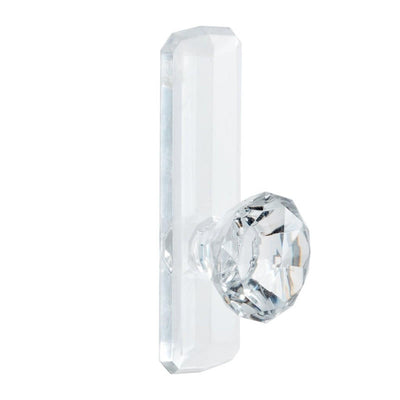
Battery or rechargeable options such as these rechargeable wall sconces add a warm layer of light in reading nooks and bedrooms without any wiring. Cosy lighting won't raise the temperature, but it makes winter evenings feel far more inviting.
Insulate the easy wins
You don't need a full retrofit to plug the biggest gaps. Simple, low-cost insulation jobs stop warm air escaping through the roof and unused openings.
- Lay or top up ceiling insulation batts if the roof space is thin — heat rises and escapes here first.
- Insulate the manhole or attic hatch, which is often left as a cold gap.
- Pop a rolled towel or draught stopper at the base of internal doors to unheated rooms.
Look after your heater
A clean, well-set heater runs cheaper and warms faster. Clear or replace filters on split systems and heaters so they aren't straining against a clogged airflow.
Set the thermostat to a steady, comfortable temperature rather than cranking it as high as it will go — every degree higher adds noticeably to running costs. Wearing clean maintenance gloves such as these disposable protective gloves keeps the filter-cleaning job quick and mess-free.
Your winter warm-up checklist
- Seal draughts around doors, windows and chimneys.
- Open curtains for sun by day, close them at dusk.
- Hang heavy, floor-length curtains over cold glass.
- Roll out rugs on hard floors in your main rooms.
- Layer throws, cushions and warmer bedding.
- Close doors and heat only the rooms you're using.
- Batch-cook to spread appliance warmth and save power.
- Switch to warm lighting and check your heater filters.
Frequently asked questions
What is the cheapest way to keep a house warm in winter?
Sealing draughts is the cheapest and most effective first step, because it stops the heat you're already paying for from leaking out. Door snakes, adhesive window seals and blocking unused chimneys cost very little. Combine that with opening curtains for free winter sun by day and closing them at dusk to trap the warmth.
How can I keep my home warm without turning up the heater?
Focus on trapping and layering warmth rather than generating more. Hang heavy curtains over windows, roll out rugs on hard floors, close doors to unused rooms and pile on throws and cushions. Warming yourself directly with a jumper, wool socks and a hot water bottle lets you keep the heater dialled right down.
Do heavy curtains really keep a room warmer?
Yes. Windows are the coldest surface in most rooms and lose heat quickly, so heavy, lined curtains act like a blanket over the glass. For the best result, hang them close to the wall at the top and let them reach the floor, which stops cold air slipping around the edges and pooling into the room.
Is it cheaper to heat one room or the whole house?
Heating one room is far cheaper. Close internal doors and concentrate your heater on the space you're actually using, so it fills a smaller volume faster and holds the warmth. Keeping spare bedrooms, the laundry and hallways shut off is a free way to cut running costs noticeably through winter.