To pet proof your yard, secure the perimeter with fencing your dog can't jump or dig under, remove toxic plants and chemicals, create a shaded water zone, and block escape routes around gates and fence lines. A well-planned yard keeps pets safe, protects your garden beds, and gives everyone room to relax outdoors.
Why pet-proofing your yard matters
A backyard is the highlight of pet ownership in Australia, but an unsecured one is a real hazard. Curious dogs dig under fences, chase possums onto roads, and chew whatever they find.
Cats roam far wider than most owners realise, and both can be poisoned by common garden plants or snail bait. Getting the basics right once saves you vet bills, lost-pet posters and trampled veggie patches later.
What you'll need to get started
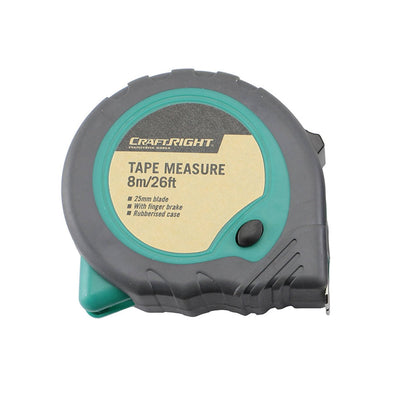
Before you begin, walk the boundary and note every weak spot — low fence panels, gaps under gates, and any bed you want to protect. Most jobs need only simple materials and a weekend.
- Fencing and mesh to raise height or seal gaps at ground level
- Timber, star pickets or garden edging to define no-go beds
- Ground cover or lawn seed to repair worn digging patches
- Safe, non-toxic plants and a shaded spot with fresh water
You'll find fencing, edging and lawn-care gear across our wider garden and outdoor range, which is the natural place to gather most of these supplies in one order.
How do I stop my dog escaping the yard?
Escaping usually happens one of three ways: over the top, under the bottom, or through an open gate. Tackle all three and most dogs settle down quickly.
Raise the fence for jumpers and climbers
Active breeds clear surprisingly low fences from a standing start. For a determined jumper, aim for at least 1.5 to 1.8 metres of solid, non-climbable fencing.
Add a lattice or angled extension along the top rail so there's nothing to grip. Avoid horizontal rails on the inside face — they work like a ladder.
Block digging under the fence line
Diggers target the soft soil right at the base of the fence. Bury galvanised mesh 30 to 40 centimetres deep along the boundary, or lay pavers flat against the fence footing.
An L-shaped mesh footer that bends inward under the lawn stops even persistent tunnellers. Repair the churned-up grass afterwards so the spot doesn't stay bare and tempting.
Secure gates and latches
The most common escape is simply an unlatched gate. Fit a self-closing, spring-loaded latch positioned well out of nose and paw reach.
Check the gap under every gate — anything wider than a fist invites a squeeze-through. A timber kickboard along the bottom closes it neatly.
Which plants are safe and which are toxic?
Plenty of popular Australian garden plants are poisonous to pets, including lilies, oleander, cycads, brunfelsia (yesterday-today-tomorrow) and some bulbs. Remove or fence these off before adding anything new.
Lean into pet-safe, useful plants instead. A raised veggie bed is a great option because you can plant it out of paw reach while still enjoying the harvest.
Fast-growing greens like these Mr Fothergill's Spinach Matador seeds mature in around seven weeks and thrive in sun or part shade, making them an easy first crop. If you'd rather skip the seedbed entirely, a self-contained white button mushroom growing kit grows on the patio or in the shed, well away from curious noses.
How do I keep the garden beds intact?
Pets and freshly turned soil are a classic clash. The trick is to redirect the behaviour rather than fight it head-on.
- Define beds clearly with raised edging or low fencing so the boundary is obvious
- Mulch with larger chunks — pine bark is less inviting to dig than fine soil
- Give diggers their own pit filled with sand and buried toys in one corner
- Feed the soil, not the pests so beds stay healthy without harsh chemicals
Healthy, living soil also drains better and grows tougher plants that bounce back from the odd paw. Adding a live organic worm booster of 500 worms to your beds or compost is an odourless, chemical-free way to build that structure naturally.
Creating a comfortable outdoor zone
A content pet is far less likely to dig, bark or plot an escape. Give them a reason to relax in the yard.
Set up a shaded spot with constant fresh water, ideally near the back door where they can see the family. In our hot summers, shade and water aren't optional — they're safety essentials.
A few durable outdoor toys keep boredom at bay on long afternoons. Cheeky Aussie characters like this Bazza the bin chicken plush are a fun, soft option, and you'll spot plenty more pet gear in our toys, kids and pets range.
Common pet-proofing mistakes to avoid
Even careful owners slip up on a few predictable points. Watch for these before you call the job done.
- Leaving snail bait, fertiliser or mower fuel within reach — store all chemicals up high and sealed
- Forgetting the pool or pond — fence water features and check pets can climb out
- Overlooking small gaps beside sheds, air-con units and behind gates
- Assuming cats can't climb the fence — they almost always can, so supervise or add cat-specific netting
When to call in a professional
Most pet-proofing is a satisfying DIY weekend, but some jobs are worth handing over. Call a fencing contractor if boundary panels are rotten, leaning, or need to go higher than you can safely manage on your own.
Speak to your vet about any plant you can't identify, and see a professional trainer if escaping is driven by anxiety rather than opportunity. Fixing the fence won't help a dog that's bolting from stress.
Frequently asked questions
How high should a fence be to stop a dog escaping?
For most dogs, a solid 1.5 to 1.8 metre fence with no horizontal rails on the inside works well. Very athletic breeds may need an angled top extension or lattice. Just as importantly, block digging at the base and fit self-latching gates — many escapes happen underneath or through gaps, not over the top.
What garden plants are poisonous to dogs and cats in Australia?
Common toxic plants include lilies, oleander, cycads, brunfelsia, azaleas and several bulbs like daffodils. Snail bait, cocoa mulch and some fertilisers are also dangerous. Remove or fence off anything you can't identify, store all chemicals sealed and out of reach, and check with your vet if your pet shows any unusual symptoms.
How do I stop my dog digging up the garden?
Redirect rather than punish. Define beds with clear edging, use chunky bark mulch that's less fun to dig, and give diggers their own sand pit with buried toys in one corner. Plenty of exercise and enrichment helps too, since digging is often driven by boredom or excess energy on long days.
Is it safe to grow vegetables in a yard with pets?
Yes, and a raised bed is ideal because it keeps edible plants above paw and nose height. Stick to pet-safe crops, skip toxic additions, and avoid chemical pesticides where pets roam. Building healthy soil with worms or compost grows tougher plants that shrug off the occasional curious paw far better than thin, dry beds.