This shade cloth guide explains the two things that matter most: the shade percentage (how much sun the fabric blocks) and correct sizing and fixing. For veggie patches choose around 30-50% shade, for people and pets in seating areas choose 70-90%, and always size the cloth generously and tension it so it does not flap. Get those right and you will tame the harshest summer sun.
What is shade cloth and how does it work?
Shade cloth is a knitted or woven fabric that filters sunlight, lowering heat and blocking a set percentage of UV. It is rated by that percentage — a 50% cloth blocks about half the sun's rays, a 90% cloth blocks most of them.
Knitted shade cloth is the popular all-rounder: it resists fraying, stretches slightly and handles wind well. Woven cloth is denser and tougher but frays if cut without sealing the edge.
The right rating depends entirely on what you are shading, which is where most people in this shade cloth guide need to slow down and think.
What UV block percentage do you need?
The single biggest decision is the shade percentage. Too much shade starves plants of light; too little leaves people and pets exposed.
Shade for plants and veggies
Most vegetables and leafy greens want filtered light, not deep shade. A cloth around 30-50% protects tender crops from scorching while still letting enough sun through to grow. Your seedlings and a sowing of quick-growing baby-leaf spinach will hold up far better under light shade through a heatwave.
Ferns, orchids and shade-lovers prefer 70-80%. Keeping soil life cool and active under cover pays off too — a boost of live composting worms in the beds keeps the root zone healthy while the cloth does its job overhead.
Shade for people, pets and structures
For patios, play areas, carports and dog runs, go dense: 70-90% blocks the most heat and UV. Look for a cloth with a stated UV rating if sun protection for people is the goal, and choose a colour that suits — darker cloth absorbs more heat above but casts deeper shade below.
How do you size shade cloth correctly?
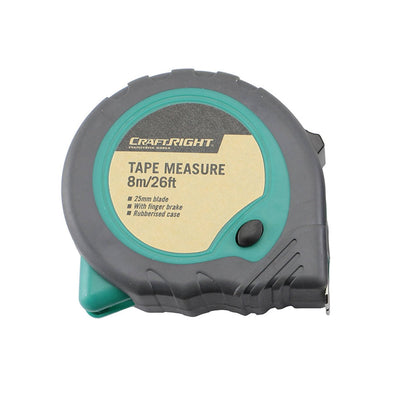
Always measure the area you want covered, then add extra for fixing and sag. A common mistake is buying cloth to the exact span, leaving nothing to attach or tension.
- Measure length and width of the span, then add roughly 100-200mm each side for fixing.
- Account for sag — cloth stretches, so plan a slight slope to shed rain and prevent pooling.
- Check fixing points — posts, eaves, fences or a frame need to line up with where the cloth reaches.
For a ready-made panel, a pre-hemmed product like this 1.95 x 2.2m UV-protective end screen takes the guesswork out of edges and eyelets for smaller spans, awnings and camping setups.
Which shade cloth suits which job?
Use this table to match the density to your project before you browse the wider garden and outdoor range.
| Shade % | Best for | Why |
|---|---|---|
| 30-50% | Veggie patches, seedlings, lawns | Filters harsh sun while passing enough light to grow |
| 50-70% | General garden beds, greenhouses | Balanced protection for a mix of plants |
| 70-80% | Ferns, orchids, shade-loving plants | Deeper shade for low-light species |
| 80-90% | Patios, carports, play areas, pet runs | Maximum heat and UV reduction for people and pets |
How to install shade cloth: step by step
Fixing is where a good cloth either lasts years or tears in the first storm. Take your time tensioning it evenly.
- Plan your fixing points. Identify posts, walls, eaves or a frame at each corner and along long edges. Spacing fixings every 300-500mm stops the cloth flapping.
- Reinforce the edges. Use the hemmed edge and eyelets where provided, or fit edge tape and eyelets to a cut piece so tension does not tear the fabric.
- Start at one corner. Fix it, then work to the opposite corner, pulling the cloth firm but not drum-tight — it needs a little give for wind and heat.
- Fix the remaining corners and edges. Use cable ties, shade-cloth clips, or wire threaded through the eyelets onto a tensioned cable for larger spans.
- Set a slight slope. Angle the cloth so rain runs off rather than pooling, which prevents stretching and sagging over time.
- Check the tension. Stand back, look for flapping or dips, and adjust. Re-tension after the first few weeks as the cloth settles.
Care, watering and seasonal tips
Shade cloth cuts evaporation, but plants underneath still need water — just less often. Pair it with efficient watering and a bit of maintenance to get the most from your setup, which you will find alongside the tools in our lawn and garden range.
- Water early or late so moisture soaks in rather than evaporating; automate it with a controller like the Holman WX4 Wi-Fi tap timer so shaded beds get a consistent drink.
- Take it down out of season if it is a temporary summer cover, to extend its life and let winter light through.
- Re-tension periodically — check fixings after strong winds and before each summer.
- Hose it clean occasionally so dust does not build up and cut light further.
- Store it dry and folded loosely to avoid permanent creases and mildew.
Match the shade percentage to your plants or people, size the cloth with room to fix and tension it, and you will have reliable, cooling shade for years. A smart tap timer is a natural companion — it keeps everything under the cloth watered without you standing in the sun.
Frequently asked questions
What shade cloth percentage is best for a vegetable garden?
Most vegetables and leafy greens do best under 30-50% shade cloth. That filters the harshest sun and cuts heat stress during a heatwave while still passing enough light for healthy growth. Deep shade above 70% is generally too dark for fruiting veggies and better suited to ferns, orchids and shade-loving plants.
Does shade cloth block UV rays for people?
Denser shade cloth, around 80-90%, blocks the most heat and UV and is the right choice over patios, play areas and pet runs. If sun protection for people is the goal, look for a cloth with a stated UV rating rather than relying on the shade percentage alone, and remember cover reduces but does not eliminate exposure.
How do I attach shade cloth without it tearing?
Always fix through reinforced edges — use the hemmed edge and eyelets, or add edge tape and eyelets to a cut piece. Space fixings every 300-500mm, pull the cloth firm but not drum-tight, and give it a slight slope. Even tension and a little give for wind and heat stop the fabric ripping in storms.
What size shade cloth should I buy?
Measure the length and width of the area you want covered, then add about 100-200mm on each side for fixing and tensioning. Plan a slight slope so rain sheds instead of pooling, and check your fixing points line up. For small spans, a pre-hemmed panel with ready-made eyelets saves cutting and sealing edges.