If your toilet keeps running, the cause is almost always inside the cistern, and you can usually fix it yourself in under 30 minutes. The most common culprits are a worn flapper or seal that lets water leak into the bowl, a fill valve stuck open, or a float set too high. Lift the cistern lid, watch what the water is doing, and you can pinpoint the fault fast.
A constantly running toilet is not just annoying - it can quietly waste thousands of litres of water and inflate your bill. The good news is that most fixes need only cheap parts and basic tools.
Why does a toilet keep running?
Every flush empties the cistern into the bowl, then a valve refills the cistern to a set level and stops. A toilet runs on when something stops that cycle from ending cleanly.
There are three usual suspects: water leaking past the flush valve seal into the bowl, the fill valve failing to shut off, or the water level sitting so high it spills into the overflow tube. Diagnosing which one is happening only takes a few minutes of watching.
What you'll need
Most of this job is diagnosis, so the tool list is short. Have these ready before you lift the lid.
- Disposable or rubber gloves - cistern water is clean, but it is still nicer to keep your hands dry.
- A cloth or small towel to mop up and to rest the ceramic lid on safely.
- Replacement parts if needed, such as a new flapper, flush valve seal or fill valve to suit your cistern.
- A bucket and an adjustable spanner if you end up swapping the fill valve.
- Food dye or a little cordial for the leak test described below.
You will find flush kits, seals and small fittings within a general home plumbing range, and it is worth grabbing the matching washers or O-rings from a hardware and accessories selection at the same time so you are not stopping mid-repair.
Step 1: Do the dye test to find the leak
Before you touch anything, work out whether water is leaking from the cistern into the bowl. Take the lid off and add a few drops of food dye or a splash of dark cordial to the cistern water, then leave it for 15 minutes without flushing.
If coloured water appears in the bowl, your flush valve seal or flapper is leaking and needs replacing. If the bowl stays clear, the problem is more likely the fill valve or float, covered further down.
Step 2: Check and replace the flapper or flush valve seal
The flapper (or the rubber seal on a drop or button-flush valve) sits at the bottom of the cistern and lifts to release water when you flush. Over years it hardens, warps or collects grit, so it no longer seats fully - and water trickles past continuously.
How to replace it
Turn off the toilet's water at the small isolation tap on the supply line, then flush to empty the cistern. Unclip or unscrew the old flapper or seal, take it to match a replacement exactly, and fit the new one.
Wipe the valve seat clean of any mineral grit before seating the new seal, as even a small speck can hold it open. Turn the water back on, let it refill and watch that the running stops.
Step 3: Adjust the water level and float
If the dye test came back clear, your cistern may simply be overfilling so water pours down the central overflow tube - which sounds exactly like a constant run. Look at the water level: it should sit about 20mm below the top of the overflow tube.
Lower it by adjusting the float. On a modern column-style valve you turn or pinch a clip to slide the float down; on an older ball-float arm you gently bend the arm downward or turn the adjustment screw. Small changes make a big difference, so adjust a little and recheck.
Step 4: Replace the fill valve if it won't shut off
If the water level is correct and the seal is fine but the valve keeps hissing and running, the fill valve itself has worn out. These are inexpensive and one of the more satisfying swaps to do yourself.
Turn off the isolation tap, flush to empty, then place a bucket under the supply nut to catch residual water. Undo the supply line and the locknut under the cistern, lift the old valve out, drop the new one in and reconnect. Set the height and float per the instructions, then test.
Common mistakes to avoid
A few simple errors send people running for a plumber before they need to. Watch out for these.
- Not turning off the isolation tap before removing parts - you will get a wet floor fast.
- Buying a universal part that doesn't match your cistern. Take the old flapper or valve with you to compare, or note the toilet's brand and model.
- Leaving grit on the valve seat, which stops even a brand-new seal from sealing.
- Over-tightening plastic locknuts with a spanner and cracking them. Firm hand-tight plus a small nip is enough.
- Resting the heavy ceramic lid on a hard edge where it can slide off and crack - lay it flat on a towel.
When to call a plumber
Most running toilets are a genuine DIY fix, but a few signs mean it is time to bring in a licensed plumber. Call one if water is leaking from the base of the toilet onto the floor, if the isolation tap is seized or leaking, or if you have replaced the seal, float and fill valve and it still runs.
Persistent problems can point to a cracked cistern or an issue in the supply line behind the wall, which is regulated work. There is no shame in handing those over - you have already ruled out the easy causes.
Small upgrades while you're in there
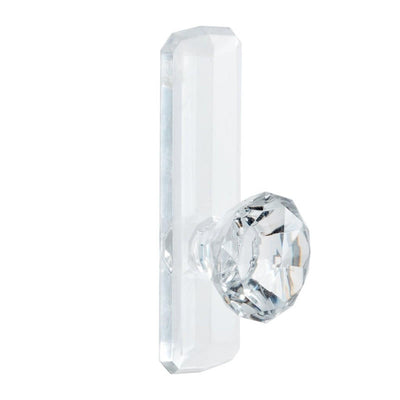
With the tools already out, it is a handy moment for a few other bathroom tweaks. If a wobbly toilet roll holder or towel rail has been bugging you, a replacement like the Sandleford 15mm chrome oval centre pillar is a five-minute swap that smartens up the room.
Water quality is another easy win around the house - the same fittings mindset applies to a kitchen BRITA On Tap Pro V-MF filter refill or an Aquaport 600L filter cartridge for cleaner drinking water. Little jobs like these add up to a home that simply works better.
Frequently asked questions
Why does my toilet keep running after I flush?
It is nearly always a cistern issue. The flush valve seal or flapper may be worn and leaking water into the bowl, the fill valve may be stuck open, or the water level is set too high and spilling into the overflow tube. A quick dye test tells you whether water is escaping into the bowl or not.
How much water does a running toilet waste?
A constantly running toilet can waste a surprising amount - potentially thousands of litres over weeks, depending on how badly it leaks. That shows up on your water bill. Because the parts to fix it are usually cheap, sorting it promptly almost always pays for itself quickly.
Can I fix a running toilet myself?
Yes, in most cases. Checking the flapper, adjusting the float and even swapping the fill valve are all beginner-friendly jobs needing only basic tools and inexpensive parts. Always turn off the isolation tap on the supply line first. Call a plumber only if water leaks from the toilet base or the fault persists after replacing the parts.
How do I know if it's the flapper or the fill valve?
Do the dye test. Add food colouring to the cistern water and wait 15 minutes without flushing. If colour seeps into the bowl, the flapper or flush valve seal is leaking. If the bowl stays clear but the toilet still runs, the fill valve or float setting is the likely cause.