The best tool storage ideas get every tool off the floor, up on the wall and easy to grab in seconds. Combine a pegboard for hand tools, sturdy shelving for power tools and boxes, labelled bins for fasteners, and a few smart hooks for awkward gear. Get the system right and your shed or garage becomes a place you actually enjoy working in.
A tidy workspace is faster, safer and kinder to your gear. Below are ten ideas you can mix and match to suit your space and budget, whatever the size of your shed.
1. Put a pegboard on the wall
A pegboard is the classic starting point, and for good reason. It turns bare wall into flexible storage for pliers, hammers, spanners and screwdrivers, all visible at a glance.
Fit it above your bench so your most-used hand tools are within arm's reach. Trace each tool's outline in marker so you can see instantly what is missing and where it belongs. Stock up on the hooks and pegs you need from a good range of hardware accessories and you can reconfigure the layout any time.
2. Build sturdy wall shelving
Shelving is the workhorse of any shed. Strong wall-mounted or freestanding shelves clear the floor and give power tools, paint tins and boxes a proper home.
Set your heaviest items on the lower shelves and keep the top for light, seldom-used gear. Wall-mounting frees up floor space for bigger jobs and stops moisture creeping in from a concrete slab. Leave a little breathing room around anything that runs on gas or fuel.
3. Sort fasteners into labelled bins
Nothing wastes more time than hunting for the right screw. A row of clear stackable bins or a parts organiser sorts your screws, nuts, bolts and washers by size and type.
Label every bin on the front so you can read it from across the room. Keep the fixings you reach for most at eye level, and tuck the odd-job leftovers up high. It is a small change that pays off on every single project.
4. Hang long-handled tools on hooks
Rakes, shovels, brooms and spades are awkward to store and dangerous left leaning in a corner. Wall hooks or a dedicated garden-tool rack keep them upright, off the ground and easy to grab.
Mount them along one wall with the handles down and heads up, or heads down if that suits the space. This one move often frees up a surprising amount of floor and stops that classic domino topple every time you open the door.
5. Protect gear from dust and damp
Sheds get dusty, and dust plus damp is what rusts your tools. Cover open shelving and larger machines to keep grime and moisture off metal surfaces.
A heavy-duty waterproof tarp thrown over a mower, workbench or stack of timber is a cheap insurance policy against condensation and roof drips. Add a few sachets of moisture absorber in your tool chest drawers for extra protection in humid weather.
6. Make your workbench earn its keep
Your bench is prime real estate, so do not let it become a dumping ground. Add a shallow drawer or a lip-front tray underneath for the tools you use constantly.
Keep the benchtop clear for actual work and store everything else on the wall behind it. A small vice mounted at one end turns the bench into a proper work-holding station for cutting, filing and glue-ups.
7. Store gas and fuel canisters safely
Butane, gas and fuel need their own dedicated, ventilated spot away from heat, sparks and direct sun. Never leave canisters loose in a hot corner or bouncing around in a drawer.
Keep spares like a Weller butane gas refill or a multi-pack such as these Gasmate safety cartridges upright on a low, cool shelf near the door. Storing them together, clearly separated from ignition sources, makes them easy to find and safer to keep.
8. Use vertical space and the ceiling
Most sheds have metres of unused space above head height. Overhead racks, ceiling-mounted platforms and high shelves are perfect for bulky, seasonal items you rarely touch.
Store camping gear, spare tarps, empty cases and off-season equipment up top to free the working zone below. Just keep heavy loads well secured and off the walk-through, and use a step to reach them safely rather than climbing the shelving.
9. Protect the floor under rolling storage
A rolling tool chest or cabinet is brilliant, until its wheels chew up the floor or it drifts while you work. Small floor protectors keep everything stable and mark-free.
A set of non-slip castor cups parks a heavy cabinet firmly in place and spreads the load so it will not dent the slab or a timber floor. They are just as handy under a fridge or freezer if your shed doubles as a garage store.
10. Weigh, sort and label with precision
For anyone who buys fixings in bulk or reloads their own hardware trays, a small scale saves real time. Weighing a handful of identical screws lets you count large quantities without tipping the box out.
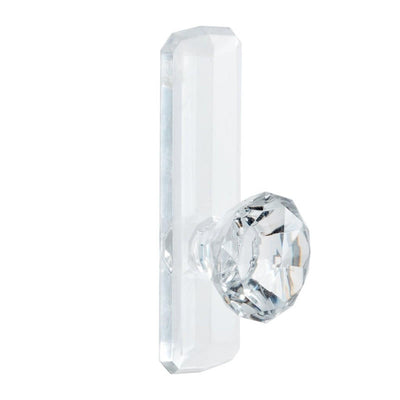
A compact counting scale like the Emajin 40kg digital counting scale makes light work of restocking parts bins. Pair it with clear labels and you will always know exactly what is in each container. If you are upgrading drawer and cabinet handles while you tidy, a piece like the Sandleford chrome centre pillar gives storage furniture a neat, hard-wearing finish.
Match the storage to what you own
The smartest tool storage ideas start with an honest look at your kit, because a bench-tool collection needs a very different setup from a bag of cordless gear. Buying storage before you have taken stock is how sheds end up with half-empty racks and tools still living in a pile on the floor.
Group your gear into a few broad families first, then match the storage to each. Power tools earn deep, sturdy shelving or a labelled cabinet where their cases can sit squarely without being stacked precariously. Hand tools suit a pegboard or a shallow drawer so every piece is visible and quick to return. Fasteners and small parts belong in clear bins or a parts organiser, sorted by size. Consumables like blades, discs, sandpaper and tape do best in a single labelled drawer so you always know what needs restocking. When you are filling those gaps, our wider tools and hardware range has the fixings, brackets and organisers to build the system out piece by piece rather than in one expensive hit. Buy for the tools you actually own today, leave a little room for the ones you will add, and the whole shed stays workable for years.
Keep the system working long-term
The hardest part of any storage setup is not building it, but keeping it tidy once life gets busy. A shed slides back into chaos when tools get dropped wherever is closest at the end of a job, so a few simple habits protect all your effort.
- Return before you rest. Put each tool back the moment you finish with it rather than at the end of the day, and the floor never becomes a dumping ground.
- Do a five-minute reset. Spend a few minutes at the end of each session clearing the bench and rehanging tools, so you always start clean.
- Re-label as you go. When a bin's contents change, update the label straight away instead of trusting your memory next month.
- Review once a season. Every few months, pull out anything you have not touched and decide whether it earns its space or should be moved up high, sold or binned.
- Fix small problems fast. A sagging shelf or a broken hook only gets worse, so sort it before it dumps a load of tools on the floor.
Quick-start tips
You do not have to do everything at once. Pick a corner, clear it fully, then decide what earns its place before it goes back.
- Empty first, then sort. Take everything out of one zone so you can see what you actually own.
- Group by task. Keep painting gear together, fixings together and garden tools together.
- Store by frequency. Daily tools at arm's reach, monthly tools on the wall, yearly gear up high.
- Label everything. Future you will thank present you every time.
- Leave room to grow. A little spare space now saves a full re-do next year.
Frequently asked questions
What is the best way to store tools in a shed?
Get tools off the floor and onto the walls. Use a pegboard for hand tools above the bench, strong shelving for power tools and boxes, wall hooks for long-handled garden gear, and labelled bins for fasteners. Group items by task and store your daily tools at arm's reach, with rarely used gear up high, so everything has a clear home.
How do I stop my tools rusting in the garage?
Rust comes from moisture, so keep tools dry and off cold concrete. Store metal tools on shelving rather than the slab, cover machines and open shelves with a waterproof tarp, and pop moisture-absorber sachets in your tool chest drawers. A light wipe of oil on bare steel surfaces adds another layer of protection in humid or coastal areas.
How should I store gas and butane canisters at home?
Keep butane and gas canisters upright in a cool, well-ventilated spot away from direct sun, heat and any spark or flame source. A low shelf near the shed door is ideal. Never store them in a hot, sealed cupboard or leave them loose in a drawer where they can be knocked. Group spares together so they are easy to find.
How can I organise fasteners like screws and bolts?
Sort them into clear stackable bins or a compartment organiser by size and type, then label the front of each container so you can read it at a glance. Keep the sizes you use most at eye level. If you buy in bulk, a small counting scale lets you weigh and count large batches quickly instead of tipping the box out.