A massager can be a relaxing way to unwind after a long day, a workout or hours at a desk. There are lots of types, from heated neck massagers to massage guns and simple rollers. This massager buying guide compares the options and explains how to use them comfortably and safely.
A massager is for relaxation and comfort. It isn't a substitute for medical advice, so if you have pain, an injury or a health condition, talk to a doctor or physiotherapist first.
Types of massager
| Type | How it works | Best for |
|---|---|---|
| Neck and shoulder massager | Rotating nodes, often with heat | Neck and shoulder tension from desk work |
| Massage pillow | Cushion with nodes | Back, lumbar and neck, at home or in the car |
| Knee massager | Wraps around the joint with heat and vibration | Relaxing tired knees |
| Foot massager | Rollers, air compression or nodes | Tired feet after standing |
| Massage gun | Percussive head | Larger muscle groups after exercise |
| Massage stick or roller | Manual rolling | Legs, calves and back; portable |
| Foam roller | Body weight on a foam cylinder | Self-massage before or after exercise |
Neck and shoulder massagers
These drape around your neck or sit behind it. Kneading nodes rotate and many add gentle heat. They're popular with people who work at a desk.
Massage guns
Massage guns use a rapid, percussive head. They usually come with several attachments and speed settings, and are popular for larger muscles like thighs and calves. Avoid using them on the neck, bones, joints or injured areas.
Massage sticks and rollers
Manual sticks and rollers let you control the pressure and are easy to take to the gym or on holiday.
Features to look for
- Heat: Gentle warmth can feel soothing. Look for an auto-off timer and adjustable heat.
- Intensity settings: Start low and increase gradually.
- Auto-off: A safety timer (often around 15 minutes) stops the massager after a session.
- Rechargeable or corded: Cordless is portable; corded doesn't need charging.
- Weight and ergonomics: Especially important for handheld massagers.
- Noise: Some massagers and guns can be loud.
- Washable covers: Helpful for hygiene.
Massagers and recovery gear to compare
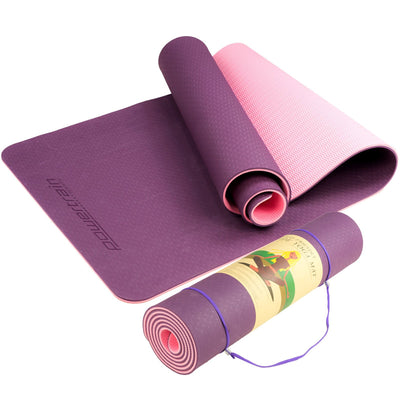
Our massagers range includes Livemor heated neck massagers, a heated neck massager pillow, a heated back massage pillow and a heated knee massager, plus an electric neck and shoulder massager and a muscle massage stick. Our fitness and general exercise equipment range includes balance cushions and Powertrain Pilates rings, our yoga and Pilates range includes Powertrain yoga mats and yoga wheel sets for stretching, and our exercise equipment mats range includes floor mats and kneeling pads. Every brand we stock is listed on our brands page.
Using a massager safely
- Read the instructions before first use.
- Start on the lowest setting and keep sessions short, around 10 to 15 minutes per area.
- Don't use on broken skin, bruises, swelling or injuries.
- Avoid the front of the neck, bones and joints with massage guns.
- Don't fall asleep with a heated massager on.
- Stop if anything hurts or feels uncomfortable.
- Get medical advice first if you're pregnant, have a pacemaker, circulation problems, diabetes or another health condition.
Making massage part of your routine
- After exercise: A massage stick or roller on legs and calves, along with stretching. See our yoga mat buying guide.
- After desk work: A neck massager and a few shoulder stretches.
- Evening wind-down: A heated pillow while watching TV.
Reducing tension in the first place
- Set up your desk with your screen at eye level and your feet flat. See our office chair buying guide.
- Take regular breaks to stand and stretch.
- Stay active with walking, yoga or a home workout. Our home gym setup guide has ideas.
- Get enough sleep with a supportive pillow.
Choosing the right massager
- Desk workers: A neck and shoulder massager.
- Lower back: A heated massage pillow.
- Gym-goers and runners: A massage stick, roller or massage gun.
- On your feet all day: A foot massager.
- Travel: A compact rechargeable massager or massage stick.
- Tired knees after gardening or walking: A heated knee wrap massager.
- Gift for a parent: A simple heated massage pillow that is easy to use.
Corded vs rechargeable
| Power | Pros | Cons |
|---|---|---|
| Corded | No charging, steady power | Needs a powerpoint nearby |
| Rechargeable | Portable, use anywhere | Battery life varies; needs charging |
| USB-powered | Can run from a power bank | Check the adaptor needed |
Check battery life claims on the product page and treat them as a guide, as heat and higher intensity settings use more power.
Caring for your massager
- Wipe it down after use and wash removable covers as directed.
- Charge batteries as the manual recommends.
- Store it in a dry place, away from heat.
- Check cords and covers for damage.
Related guides: Yoga Mat Buying Guide, Home Gym Setup Guide, Office Chair Buying Guide.
Frequently asked questions
Are massage guns safe?
Used as directed on large muscles, many people find them comfortable. Avoid bones, joints, the neck and injured areas, and get medical advice if you have a health condition.
How long should I use a neck massager?
Around 10 to 15 minutes per session is typical. Many models have an auto-off timer.
Is heat good in a massager?
Gentle heat can feel relaxing. Use the lowest comfortable setting and never fall asleep with it on.
Who shouldn't use a massager?
If you're pregnant, have a pacemaker, a circulation issue, diabetes or an injury, ask a doctor before using one.