A home gym saves travel time, lets you work out whenever suits you and can be built up gradually. You don't need a whole room: a corner of the lounge or half a garage can be enough. This home gym setup guide helps you plan your space, choose essentials and add gear over time.
Step 1: Decide what you'll train
Start with your goals, because they shape what you need:
- General fitness: Bands, a mat, light weights and a step or skipping rope.
- Strength: Adjustable weights, a bench, and eventually a rack or multi-gym.
- Cardio: A treadmill, rowing machine or exercise bike.
- Mobility, yoga and Pilates: A good mat, blocks, a ball and resistance bands.
Most people combine a few of these.
Step 2: Choose and measure your space
| Space | Suits | Things to check |
|---|---|---|
| Corner of a room | Mat work, bands, light weights | Storage so gear can be packed away |
| Spare room | Bench, weights, one cardio machine | Floor strength and noise for neighbours |
| Garage | Heavier strength gear and racks | Ventilation, temperature and a level floor |
| Outdoor patio | Bodyweight and band training | Shade and weather protection |
Measure the floor area and ceiling height. Overhead presses, skipping and jumping need more height than you might expect. Leave clear space around each piece of equipment so you can move safely.
Step 3: Sort the floor
Good flooring protects your floor, reduces noise and gives a stable surface.
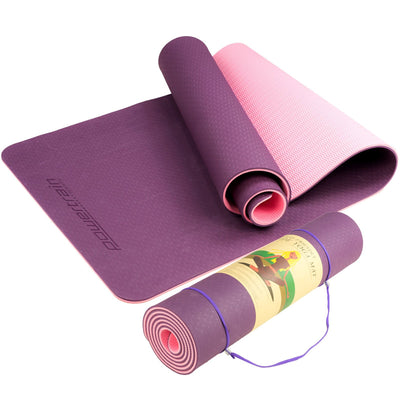
- Exercise mats: For bodyweight work, stretching and yoga.
- Interlocking foam tiles: Cover larger areas and are easy to lay.
- Equipment mats: Go under treadmills, rowers and bikes to reduce vibration.
- Rubber flooring: Best for heavier weights in a garage.
Browse our exercise mats.
Step 4: Start with the essentials
You can get a lot done with a small kit:
- Mat: For floor exercises and stretching. See our yoga and Pilates range.
- Resistance bands: Light, cheap and versatile for strength, warm-ups and rehab-style exercises. Browse our exercise bands and loops.
- Adjustable weights or a few dumbbells: Cover most strength exercises.
- Skipping rope or step: Simple cardio. See our aerobic steps.
- Stability ball: For core work and as a bench substitute.
Step 5: Add a bench
A sturdy adjustable bench opens up many more exercises: presses, rows, step-ups and supported work. Look for:
- Adjustable back and seat with flat, incline and sometimes decline positions.
- Maximum load rating that covers your body weight plus weights.
- Stable base with non-slip feet.
- Wheels for moving it out of the way.
Our exercise benches include adjustable benches from Cortex.
Step 6: Build strength gear over time
As you progress, you might add:
- Barbell and plates for heavier lifts, with clamps to secure the plates.
- Squat rack or power rack with safety bars for heavier training.
- Cable attachments such as tricep ropes and ankle straps for machines.
- Kettlebells for swings and full-body movements.
Browse our weights and strength and weight lifting ranges for accessories such as straps, clamps and attachments.
Step 7: Choose cardio
Pick one machine you'll actually enjoy using:
- Treadmill or walking pad: Walking and running. See our treadmill buying guide.
- Rowing machine: Low impact and works the whole body.
- Exercise bike: Compact and quiet.
Check the footprint, power needs and noise before buying.
Storage and organisation
A tidy gym is safer and more inviting:
- Wall racks or hooks for bands, ropes and mats.
- Shelving or a rack for weights, close to the floor.
- Baskets for small items such as balls and blocks.
- Fold-up equipment where possible.
Our garage storage ideas have more tips.
Making the space work
- Ventilation: A fan helps a lot, especially in a garage in summer.
- Lighting: Bright, even light keeps the space inviting.
- Mirror: Helps you check form. See our ideas for decorating with mirrors.
- Sound: A speaker or headphones for music and workout videos.
- Water: Keep a drink bottle handy.
Training safely
- Warm up before each session.
- Learn correct technique, especially for heavier lifts. Consider guidance from a qualified trainer.
- Increase weight gradually.
- Check equipment regularly for wear.
- Keep children away from weights and machines, and unplug cardio equipment when not in use.
- Talk to your doctor before starting a new exercise program if you have health concerns.
Staying motivated
Schedule workouts like appointments, track your progress, and keep the gym ready to go so starting is easy. A small space you use regularly beats a big setup you don't.
Brands to compare
Our home gyms collection includes Powertrain gear, and our wider range includes Cortex benches, Everfit Pilates gear, Aolikes bands and Lifespan Fitness equipment. See every brand we stock on our brands page.
Related guides: Treadmill Buying Guide, Garage Storage, Furnishing Small Spaces, Massager Buying Guide, Yoga Mat Buying Guide.
Frequently asked questions
What equipment do I need for a basic home gym?
A mat, resistance bands, some adjustable weights and a simple cardio option such as a skipping rope cover most needs. Add a bench as you progress.
How much space do I need for a home gym?
A corner a couple of metres square works for mat and band training. Benches, racks and cardio machines need more, plus clear space around them.
What flooring is best for a home gym?
Foam tiles suit lighter training, while rubber flooring is better for heavier weights. Put equipment mats under cardio machines.
Can I build a home gym in an apartment?
Yes. Focus on quieter gear such as bands, adjustable weights and a walking pad, and use mats to reduce noise and vibration.