A treadmill lets you walk or run at home whatever the weather, early in the morning or late at night. Options range from slim walking pads that slide under a desk to sturdy running machines. This treadmill buying guide explains the main types and the specifications that matter, so you can match a treadmill to how you'll actually use it.
Types of treadmills
| Type | Best for | Things to know |
|---|---|---|
| Walking pad | Walking, including under a standing desk | Very compact; lower top speeds; often no handrails |
| Folding treadmill | Walking and jogging in smaller homes | Folds up to save floor space |
| Full-size treadmill | Regular running and longer sessions | Bigger deck and motor; takes more room |
| Curved manual treadmill | Sprint and interval training | Self-powered by your stride; no motor |
Walking pads
Walking pads are low-profile treadmills designed mainly for walking. Many slide under a bed or sofa when not in use, and they pair well with a standing desk for walking while you work. Check the top speed and whether the pad has a handrail, especially if you want to jog. Some fold in half for even easier storage.
Folding treadmills
Folding treadmills have a deck that lifts up, usually with gas-assisted lifting, so the machine takes up less floor space when stored. They suit apartments and spare rooms. Check the folded dimensions, the unfolded footprint and whether it has wheels for moving.
Full-size treadmills
Full-size treadmills are built for regular running. They usually have more powerful motors, longer and wider running decks, higher top speeds and more incline. They're heavier and take up more space, so measure carefully.
Curved manual treadmills
Curved treadmills have no motor. You drive the belt with your stride, and the faster you run, the faster it moves. They're popular for sprint and interval training in gyms and garages. They take some getting used to.
Key specifications
Motor power
Treadmill motors are often rated in continuous horsepower (CHP). Continuous ratings are more meaningful than peak ratings. As a general guide, walking needs less power, while regular running and heavier users need a stronger motor that won't strain over long sessions.
Running deck size
The belt needs to be long and wide enough for your stride:
- Walking needs a shorter deck than running.
- Runners and taller users generally need a longer, wider deck.
- A wider deck feels more comfortable and secure.
Check the running area dimensions in the product details and compare with your height and stride.
Speed and incline
- Top speed: Walking pads often top out at a brisk walk or slow jog. Running treadmills go faster.
- Incline: Walking on an incline increases the effort without needing to run. Some treadmills adjust incline automatically from the console; others are manual or have none.
Maximum user weight
Every treadmill has a maximum user weight. Choose one that comfortably exceeds your weight, as a higher rating often indicates a sturdier frame and motor.
Cushioning
Deck cushioning absorbs some impact. If you'll run regularly, look for a cushioned deck.
Console and features
- Display: Shows time, speed, distance and often calories.
- Programs: Preset workouts vary speed and incline.
- Heart rate: Some have grip sensors or connect to chest straps or smartwatches. See our smartwatch buying guide.
- App connectivity: Track workouts or follow guided sessions.
- Remote control: Common on walking pads.
- Safety key: A clip-on key that stops the belt if you fall back. Always use it.
Space and placement
- Measure the treadmill's footprint, plus clear space behind it. Manufacturers often recommend a clear zone behind the deck.
- Check ceiling height if you're tall and plan to use an incline.
- Place it on a firm, level surface near a power point.
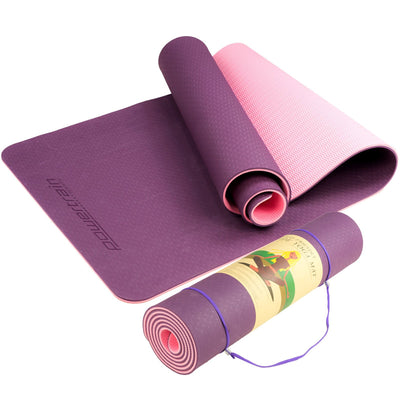
- Use a treadmill mat to protect floors, reduce vibration and catch dust. Our exercise mats include options for home gyms.
- Check the folded size if you plan to store it.
Noise
Motor and footfall noise matter in apartments and shared homes. Walking pads are generally quieter than running on a full-size treadmill. A mat helps reduce vibration through the floor.
Care and maintenance
- Wipe the deck and console after workouts.
- Vacuum around and under the treadmill regularly.
- Check belt tension and alignment as the manual describes.
- Lubricate the belt if your model needs it, using the recommended product.
- Unplug the treadmill when not in use, especially around children.
Treadmill or other cardio?
If you want low-impact cardio that works the upper body too, consider a rowing machine. Browse our rowing machines. For a full home workout space, see our home gym setup guide.
Treadmill brands to compare
Our treadmill range includes walking pads and folding treadmills from WalkingPad, Walkslim, AbodeFit Health and Tempo Fitness, plus curved treadmills from Fortis. Browse our Lifespan Fitness range and wider fitness equipment. See every brand we stock on our brands page.
Related guides: Home Gym Setup Guide, Smartwatch Buying Guide, Furnishing Small Spaces.
Frequently asked questions
Is a walking pad worth it?
If you mainly want to walk, especially while working at a standing desk, a walking pad is compact and convenient. For regular running, choose a full treadmill.
What motor size do I need?
Walking needs less power than running. Regular runners and heavier users should choose a stronger motor with a continuous power rating.
How much space does a treadmill need?
Allow for the treadmill's footprint plus clear space behind it, as the manufacturer recommends. Check folded dimensions if you'll store it.
Do I need a mat under my treadmill?
A mat is a good idea. It protects your floor, reduces vibration and noise, and keeps dust away from the motor.